

TDM: Transforming Tax Planning with Efficient Analysis Tools
B2B, SaaS, Tax Depreciation Management, Web application, Tax Depreciation Module, 2021.
I. Introduction
Overview
TDM is a sophisticated tool designed for rate-regulated companies and other asset-intensive industries. This project aimed to revolutionise the approach to tax depreciation by integrating intuitive workflows and automation, thus enhancing the efficiency and accuracy of financial reporting and tax compliance. The module facilitates seamless book-to-tax tracking and data management, ensuring that tax planning and analysis can be conducted with greater precision and less manual effort.
The goal
Design a rapid, user-friendly, and automated tax depreciation module that streamlines complex procedures and integrates high-value functions such as tax planning and analysis, ensuring efficiency and clarity in financial processes.
Problem statements
From a UX perspective, the challenges within TDM centre around the complex nature of depreciation processes, the reliance on manual data entry, outdated and non-intuitive user interfaces, and the absence of instant calculation and reporting capabilities.
From a business standpoint, these inefficiencies manifest in cumbersome financial reporting, heightened risks of errors due to manual processes, a pressing need for more robust tax planning and analytical tools, and a demand for customisable software solutions that align with specific organisational needs.
Together, these issues underscore the critical need for a comprehensive system overhaul to enhance usability and functionality.
My role
As the Lead Product Designer for TDM, I oversaw the entire user experience design process. My primary goal was to ensure the design was efficient, intuitive and tailored to meet the specific needs of finance and tax professionals in asset-intensive industries. This role required a deep understanding of both the technical aspects of tax depreciation and the everyday challenges faced by end-users.
My responsibilities
-
Industry and Market Analysis: I conducted thorough research to understand the landscape of tax depreciation solutions, focusing on identifying market gaps and opportunities for innovation.
-
Stakeholder Interaction: I engaged directly with key stakeholders, including finance and tax professionals, to gather insights and feedback that informed the design process.
-
Design and Prototyping: I led the development of prototypes and wireframes, continuously iterating based on stakeholder and user feedback to refine the module’s usability and functionality.
-
User Testing and Feedback Integration: I organised user testing sessions to validate design choices and integrated this feedback to ensure the final product met the real-world needs of its users.
-
Collaboration and Leadership: I worked closely with cross-functional teams, including developers and product managers, to ensure the design aligned with technical capabilities and business objectives.
-
Advocacy for User-Centric Design: Throughout the project, I applied user-centric design principles, advocating for design decisions that enhance user satisfaction and productivity.
II. The Challenge
UX Perspective Problem Statements
The user experience within TDM is hindered by several critical issues that complicate the user’s ability to manage tax-related tasks efficiently.
-
Complexity of Depreciation Processes: Tax depreciation involves multiple layers of calculations and regulatory requirements, making the process inherently complex. This complexity often leads to user errors and a steep learning curve for new users.
-
Need for Manual Data Entry and Calculations: Traditional tax depreciation solutions often require extensive manual input, slows down the process and increases the likelihood of errors in data entry and calculations.
-
Inaccessibility of User-Friendly Interfaces: Many existing systems use outdated interfaces that are not intuitive for users. This inaccessibility can hinder efficiency, as users spend more time trying to navigate these systems rather than focusing on their core tasks.
-
Lack of Immediate Calculation and Reporting: The need for real-time data processing and immediate reporting is critical in finance. However, many systems do not support instant calculations, leading to delays in decision-making and reporting.
Addressing these UX issues is essential for improving the overall usability and effectiveness of TDM and ensuring it meets users’ modern needs.
Business Perspective Problem Statements
The module faces several challenges that affect organisational efficiency and compliance on the business front, underscoring the need for a robust and adaptable system.
-
Inefficiency in Financial Reporting: Reliance on manual processes and outdated software contribute to inefficiencies in financial reporting. These inefficiencies can delay bookkeeping and affect the timely delivery of financial insights.
-
Risks Associated with Manual Processes: Manual handling of depreciation calculations increases the risk of human error, which can lead to significant financial discrepancies and compliance issues.
-
Need for Enhanced Tax Planning and Analysis: Businesses require sophisticated tools to perform detailed tax planning and analysis to optimise their tax positions. Current systems often lack the necessary depth and flexibility, impeding strategic tax management.
-
Requirement for Tailored Software Solutions: Each business has unique needs based on size, industry, and regulatory environment. Software solutions that can be tailored to specific business requirements, enhancing their relevance and effectiveness, are urgently needed.
Enhancing the business aspects of TDM will streamline financial operations and support strategic decision-making and compliance, which are crucial for maintaining competitive advantage and operational integrity.
Addressing these UX and business challenges is crucial for successfully developing TDM from scratch. By designing a system that is intuitive, efficient, and tailored to the specific needs of tax professionals, the project aims to transform how businesses handle tax depreciation, ensuring accuracy, compliance, and streamlined operations.
III. Research and Analysis
In developing TDM, I took a comprehensive research approach, which was vital to ensuring the final product meets and exceeds its users’ professional requirements. This research phase was multifaceted, encompassing various methods to gather essential insights into user needs and prevailing market conditions.
Stakeholder Interviews
The stakeholder interviews for TDM provided critical insights into the specific needs and challenges of finance and tax professionals. These interviews were instrumental in shaping the design and functionality of the module from the perspective of those who will use it daily in asset-intensive industries.
Insights from Interviews
The stakeholder feedback highlighted several key areas that were essential for the development of the module:
-
Complexity and Usability Concerns: Stakeholders frequently noted that the complexity of existing tax systems significantly hampers efficient operations. They highlighted the urgent need for a user interface that simplifies interactions and makes routine tasks more accessible to users’ needs.
-
Accuracy and Compliance Requirements: Stakeholders reported that ensuring compliance with tax laws and maintaining accuracy in calculations are top priorities. They are keen on a system that automates updates and calculations to diminish the risk of errors and ensure ongoing compliance, which is crucial for the users.
-
Integration with Existing Financial Systems: Integrating the new module with existing financial systems was a key topic among stakeholders. They emphasised the importance of seamless data integration to prevent discrepancies and facilitate smoother customer workflows.
-
Real-Time Processing Capabilities: Stakeholders identified the ability to process information in real-time as a critical feature. They pointed out that any delay in processing could obstruct timely decision-making and financial reporting, which are vital for business operations.
-
Customisation and Flexibility: Stakeholders expressed the need for a system that could be customised to meet the specific needs of different organisations. They called for customisable reporting features and the flexibility to adapt to various industry-specific requirements to better serve user needs.
Key Questions and Answers:
-
What specific features do you find most cumbersome or lacking in current tax depreciation tools?
“We find the lack of adaptability in handling various asset categories and depreciation methods very limiting. A more flexible interface that allows easy adjustments and scenario modelling without constant manual intervention would be extremely beneficial.”
-
How critical is the integration of TDM with other financial and operational systems in your daily tasks?
“It’s absolutely critical. Seamless integration helps us ensure data accuracy and efficiency. We need this module to work harmoniously with our ERP systems to avoid duplicate work and potential discrepancies.”
-
Describe your ideal process for managing tax depreciation. What tools or features would make your job easier?
“The ideal process would automate routine calculations and reporting. If the system could auto-populate data fields based on initial asset entries and update itself with minimal input from us, that would cut down on many manual tasks and leave less room for error.”
-
What are your biggest concerns regarding compliance and accuracy in tax calculations?
“Keeping up with changing tax regulations and ensuring that all our calculations remain compliant is a huge concern. We need a system that stays updated with the latest laws and provides clear audit trails for verification and compliance purposes.”
-
How would real-time data processing impact your workflow and decision-making?
“Real-time processing would be a game changer. It would allow us to make informed decisions quickly and respond to financial queries with up-to-date information, which is crucial for strategic planning and operational efficiency.”
-
What customisation options are necessary for you to use a new tax depreciation system effectively?
“We need the ability to customise fields and formulas to reflect our specific business practices and compliance requirements. Adjusting reports and methods for different assets and regions without external support is also crucial.”
-
How do you currently handle updates and changes in tax laws, and how could a new system better support these updates?
“Currently, we manually track changes in tax laws, which is not only cumbersome but also prone to errors. A new system that automatically integrates these updates and adjusts calculations accordingly would ensure we remain compliant and significantly reduce the administrative burden on our team.”
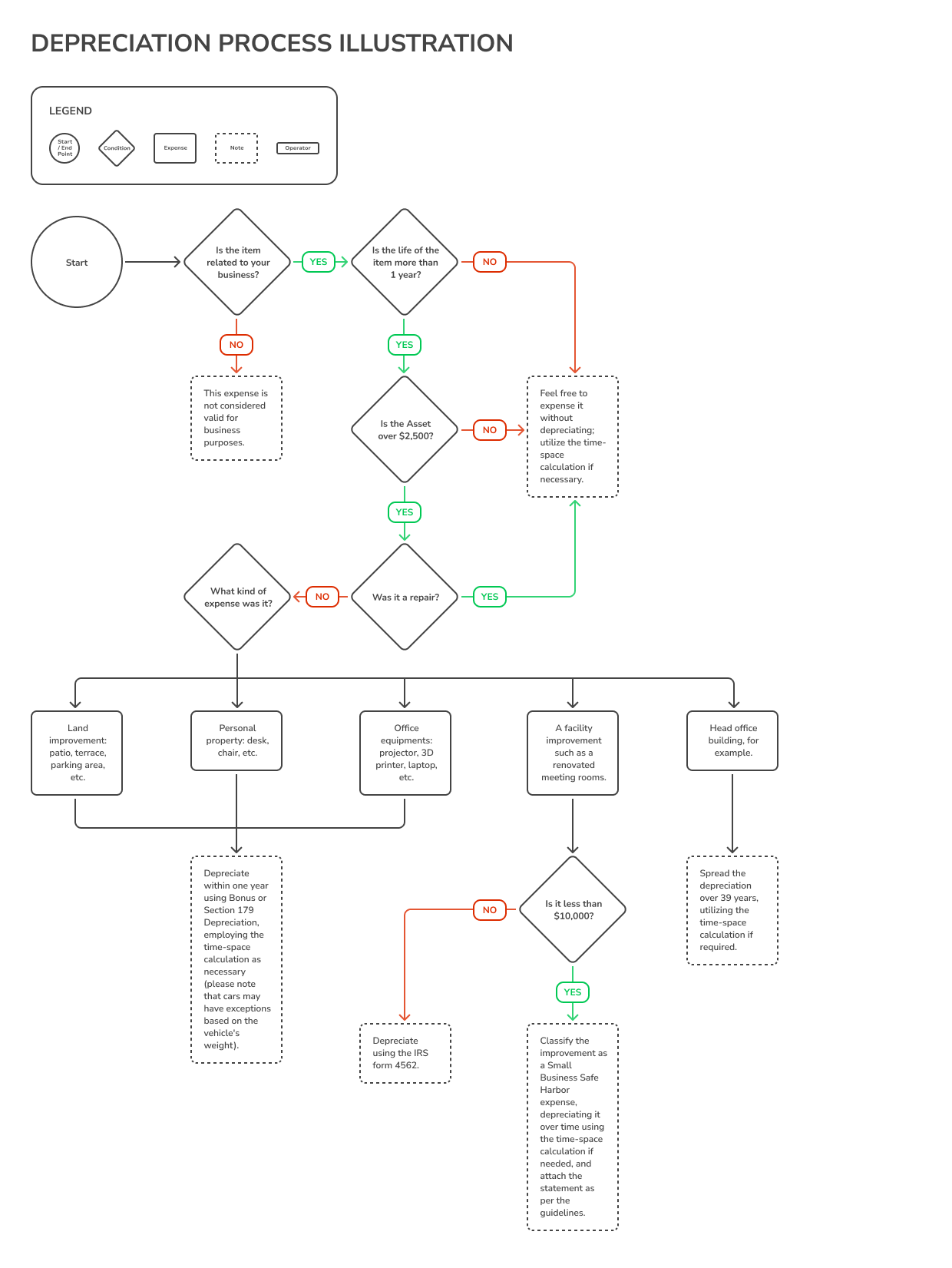
Depreciation Process Illustration
During stakeholder interviews, insights were gathered regarding the tax depreciation process and the key steps involved in managing and calculating depreciation for assets. To provide a visual representation of this process, a schematic illustration is presented below.
User Research
In the development of TDM, conducting user research was essential to ensure the final design aligned with the actual needs and behaviours of end-users. This phase involved engaging directly with potential users through structured interview sessions, allowing for a deep dive into their daily challenges and expectations from a tax depreciation tool.
Insights from User Research
The feedback collected during the user research sessions provided valuable insights into several critical aspects that would inform the module’s user interface and functionality:
-
User Experience Needs: Users emphasised their need for a straightforward and intuitive user interface that would simplify their daily operations. They expressed frustration with existing systems that have complex navigation and steep learning curves.
-
Functional Requirements: Many users highlighted specific functional gaps in current tools, such as the lack of automated error-checking features and the need for more dynamic reporting capabilities that could handle various output formats and customisation options.
-
Adaptability and Scalability: There was a clear demand for a system that could scale with the organisation and adapt to different types of assets and tax scenarios. Users wanted a solution that could grow and evolve without requiring significant retraining or system overhauls.
-
Integration and Compatibility: Users discussed the importance of the system’s ability to integrate smoothly with other financial software they were using. They stressed that data should flow seamlessly between systems to reduce the workload and minimise the risk of data entry errors.
-
Support and Training: A significant insight was the need for ongoing support and training resources. Users desired robust support systems, including training modules and help desks, to ensure they could utilise all system features effectively.
Key Questions Asked:
-
What are the biggest limitations you face with your current tax depreciation tools?
“The main limitations are the lack of real-time updates and the need for manual data entry, which is time-consuming and prone to errors. Also, my current tools don’t provide sufficient flexibility to handle different tax scenarios that our global operations require.”
-
What specific features would you want in a new system to improve your daily tasks?
“I would like to see features such as automated error checking, real-time updates to tax laws, and customisable reports that can be tailored to specific needs within our organisation. Also, a dashboard that gives an instant overview of assets and their depreciation status would be beneficial.”
-
How important is the ability of the system to integrate with other software you use?
“Integration is crucial. Our current systems operate in silos, which complicates data transfer and leads to inefficiencies. An accountant needs a system that can easily connect with our ERP and other financial management tools, ensuring that data flows seamlessly across platforms.”
-
What kind of support and training do you expect to receive with the new system?
“We expect comprehensive support that includes a responsive help desk, regular updates, and robust training programs that can be accessed both online and in-person. It’s important that the training is modular and can be tailored to different levels of user proficiency.”
-
How does your organisation handle growth and changes in tax scenarios, and how should the system accommodate these changes?
“Currently, I manually update systems when tax scenarios change, which is not only inefficient but also risky. The ideal system would automatically update itself with new tax rules and have the flexibility to scale up as our business grows and enters new markets.”
-
What features do you consider critical for ensuring compliance with international tax laws?
“Automated updates for international tax compliance and a feature to manage multiple tax profiles under various jurisdictions are critical. The system should also provide detailed audit trails that help me prove compliance during audits.”
-
How do you currently manage data security, particularly with sensitive financial information, and what expectations do you have for the new system in this regard?
“I currently rely on a mix of in-house security measures and third-party solutions, which is cumbersome. I expect the new system to have built-in, top-tier security features that comply with international standards, like encryption, access controls, and regular security audits, to protect sensitive financial data.”
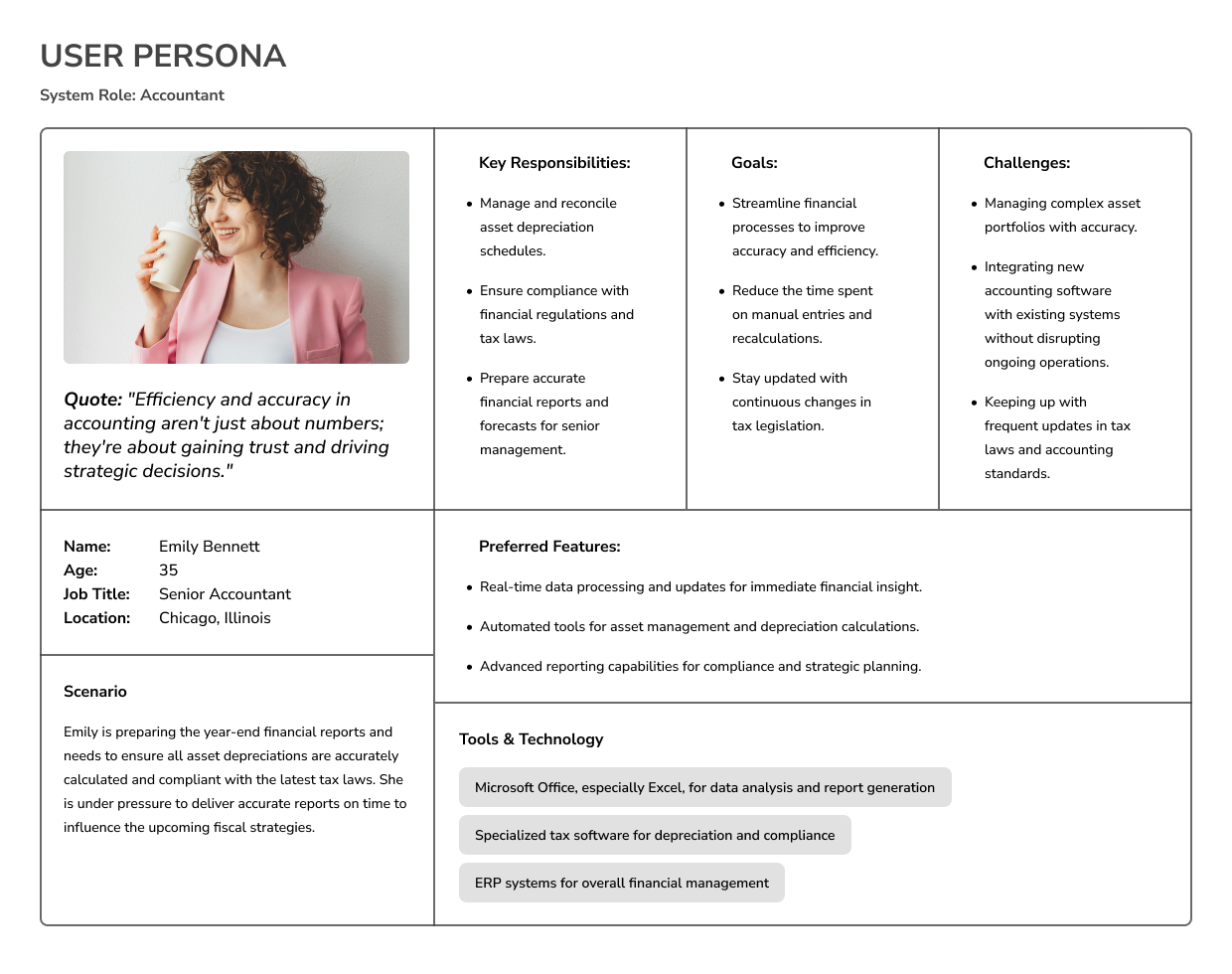
User Persona
Understanding the needs, preferences, and behaviours of our target users is paramount to creating successful and impactful products. I present a user persona crafted from extensive user research and feedback. User persona encapsulates the unique characteristics, challenges, and goals of individuals who interact with TDM. Through user persona, I strive to humanise the user experience and ensure that TDM remains a valuable and indispensable tool in their daily workflows.
Market and Competitor Analysis
In the competitive landscape of tax depreciation software, understanding how various market players stack up against each other is crucial for identifying areas where TDM can differentiate itself. Below, we delve into a comparative analysis of five major competitors. Competitors are evaluated based on their product offerings, unique strengths, and market positioning. This overview provides insights into their core functionalities, customer base, and strategic advantages, setting the stage for a more detailed benchmarking analysis to follow.
BNA Fixed Assets (Bloomberg Tax)
-
Features: Known for robust depreciation calculations and a comprehensive suite of compliance tools. BNA Fixed Assets offers detailed reporting capabilities and seamless integration with various financial management systems.
-
USP: The strength of BNA Fixed Assets lies in its extensive regulatory compliance features, which are crucial for companies needing to adhere to complex tax laws and regulations.
ProSystem fx Fixed Assets (Wolters Kluwer)
-
Features: This platform provides detailed asset tracking, advanced tax reporting, and sophisticated depreciation analysis capabilities. It’s celebrated for its data management features and user-friendly interface that caters to both novice and advanced users.
-
USP: ProSystem fx is particularly valued for its intuitive design, which simplifies the complex processes of tax management, making it accessible for users with varying levels of expertise.
Sage Fixed Assets
-
Features: Offers a comprehensive range of asset management tools including depreciation calculations, asset tracking, and customisable report generation. Known for its ability to support multiple industries, making it a versatile choice for businesses of all sizes.
-
USP: Sage Fixed Assets stands out with its scalability and robust customer support, providing an effective solution for companies as they grow and their asset management needs evolve.
Asset4000 (Real Asset Management)
-
Features: Features a comprehensive asset management suite that includes standard depreciation and tracking and advanced functions like lease accounting and maintenance management. Its capability for depreciation forecasting is a significant advantage for long-term financial planning.
-
USP: Asset4000’s adaptability to different regulatory environments makes it a preferred choice for multinational corporations that need a flexible solution to comply with varied international standards.
CorpTax Assets (Corptax)
-
Features: Specializes in providing a tightly integrated approach to corporate tax solutions encompassing asset depreciation, compliance, and detailed analytics. Its strengths lie in its ability to integrate deeply with broader corporate tax functions.
-
USP: CorpTax Assets is renowned for its seamless integration capabilities, which allow it to fit into the broader tax strategy of large enterprises, enhancing overall tax efficiency and strategic planning.
Features Benchmarking
In the competitive realm of tax depreciation software, differentiating product capabilities is key to capturing market share. This benchmarking analysis meticulously compares the features of TDM with those of its main competitors to provide a clear picture of where it stands in terms of functionality, usability, and innovation. I delve into various aspects such as real-time processing, user interface quality, compliance handling, and more, highlighting strengths and areas for improvement. This side-by-side comparison showcases TDM’s unique offerings and sheds light on the industry standards and emerging trends that influence customer preferences and buying decisions.
Through this analysis, I aim to inform strategic decisions that can enhance product development and positioning in the marketplace. So, here are the benchmarking feature comparisons between TDM and its competitors:
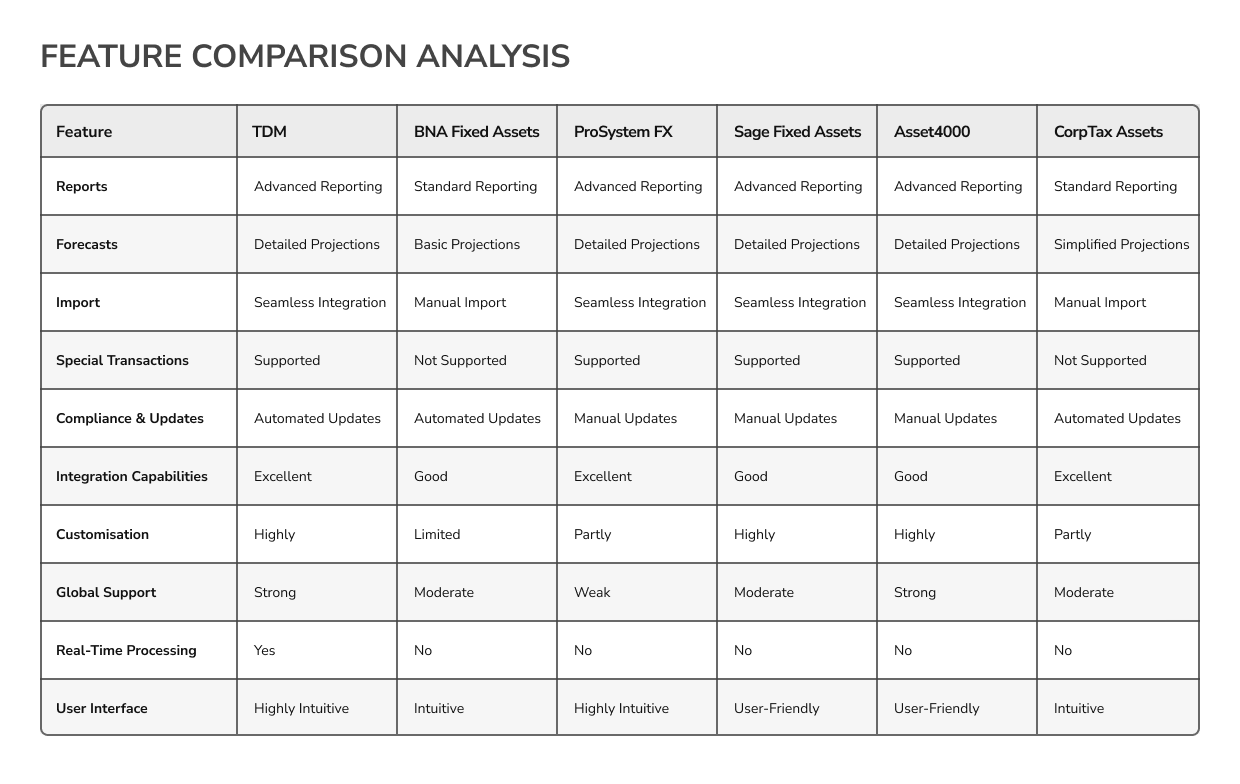
BNA Fixed Assets and CorpTax Assets focus on compliance but vary in their support for special transactions and the depth of their forecasting tools.
ProSystem FX and Sage Fixed Assets offer extensive tracking and forecasting features that are aimed at businesses that require detailed financial planning and asset management.
Asset4000 excels in global compliance support and is highly configurable, suitable for multinational corporations needing flexible asset management systems.
This detailed benchmarking showcases TDM’s strengths and areas of competitiveness within the market, highlighting its potential appeal to businesses looking for a comprehensive, user-friendly, and feature-rich tax depreciation solution.
Strategic Planning Frameworks
In the dynamic realm of business development, particularly for technology-driven products like TDM, employing structured strategic planning frameworks is essential. These frameworks, namely the Business Model Canvas (BMC) and the Lean Canvas, are pivotal tools in comprehensively mapping out the business model and operational strategy. This section delves into these two frameworks, which provide a visual summary of the key factors that influence the product’s market success and operational effectiveness. By exploring both canvases, I aim to highlight the strategic considerations that underpin the launch and growth of TDM. Each framework offers unique insights—BMC focuses on a broad business model perspective, while Lean Canvas targets the more immediate concerns related to launching a viable product. Together, they offer a detailed overview of the strategic planning necessary to navigate the complexities of the market and ensure sustained competitiveness and innovation.
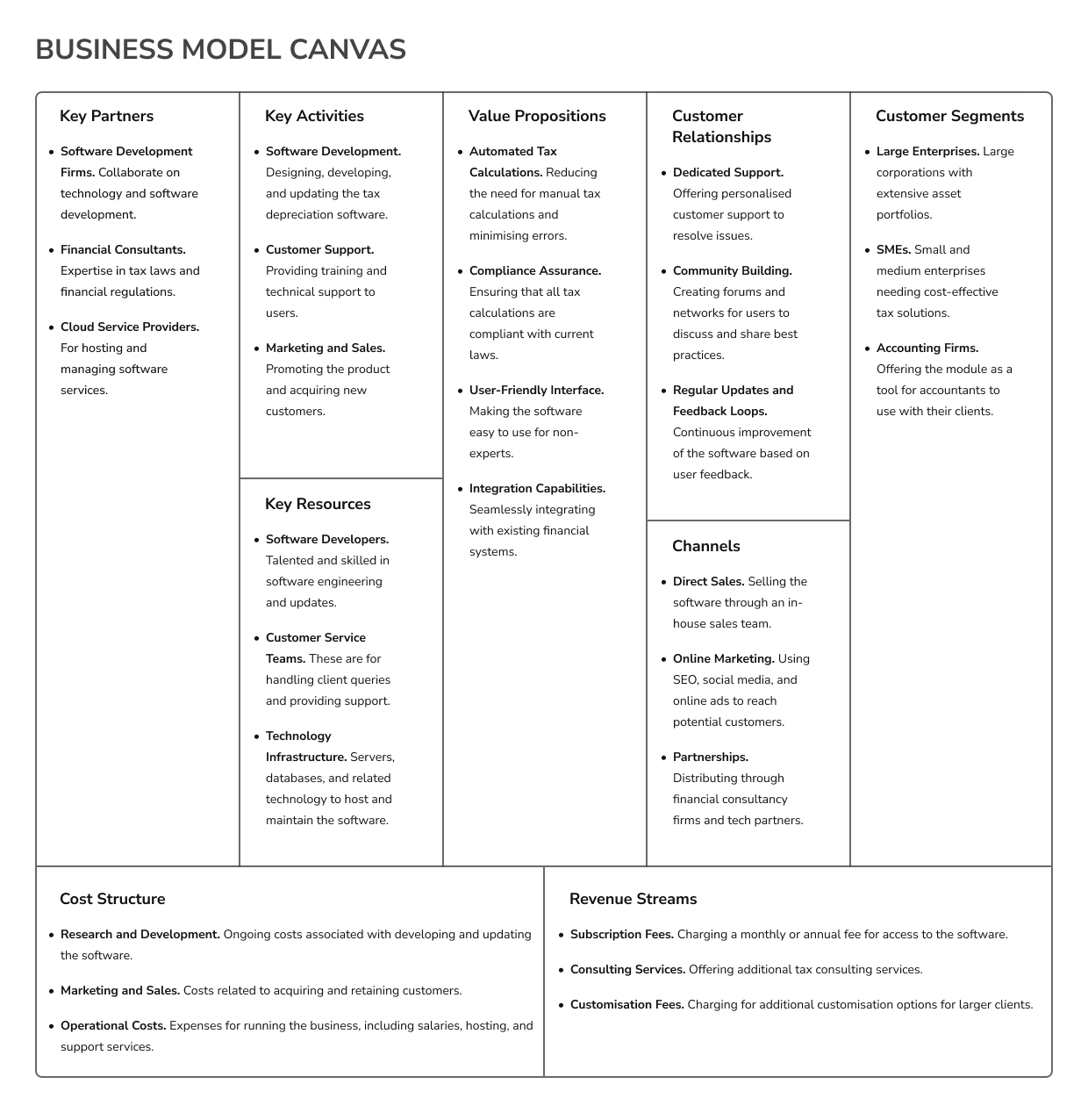
Business Model Canvas
Creating a Business Model Canvas for TDM involves detailing the key components that make up the business model. The BMC helps visualise the various elements of the business strategy. Here’s a breakdown of what each segment of the BMC might contain for a tax depreciation module:
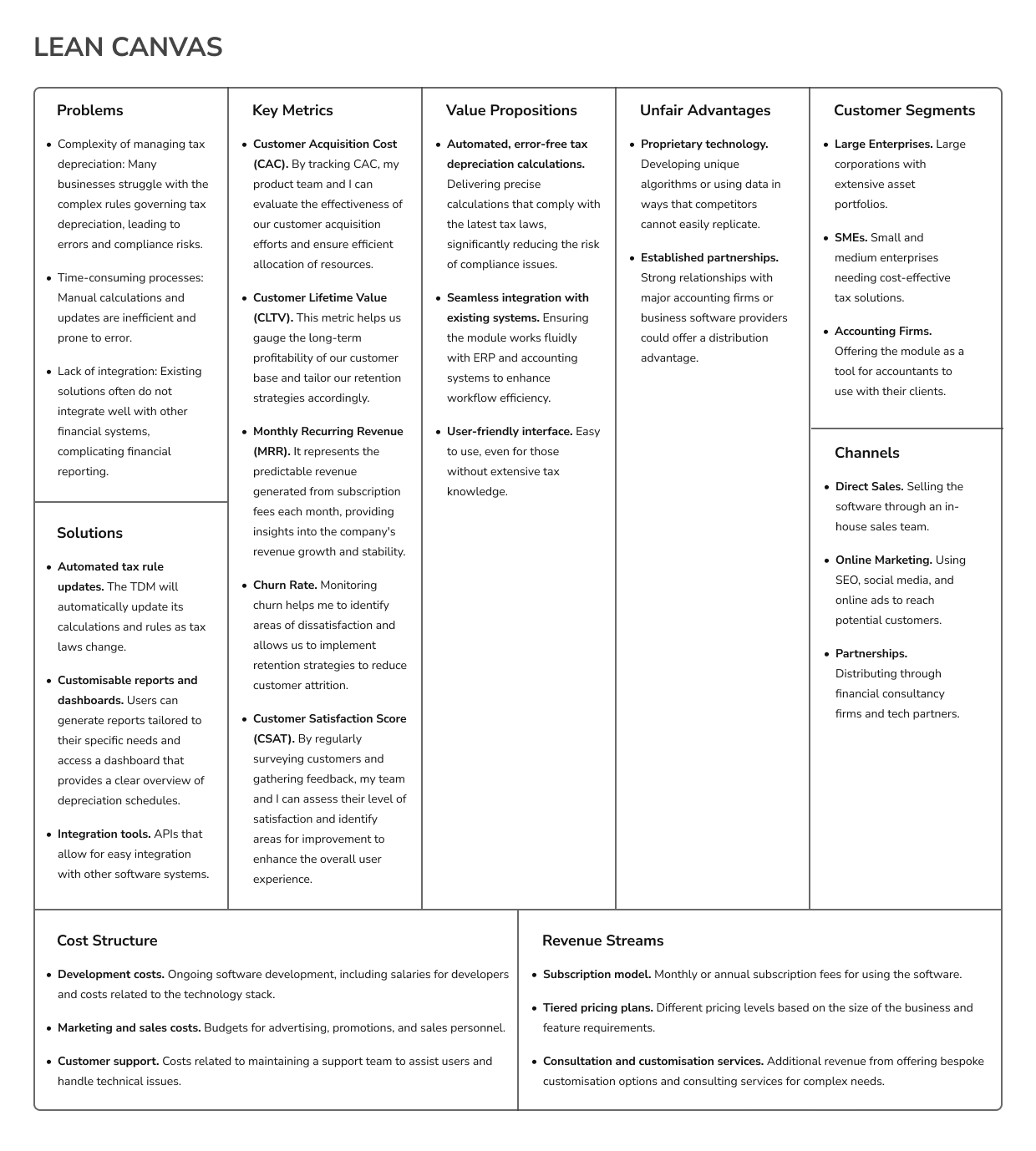
Lean Canvas
Creating a Lean Canvas for TDM provides a streamlined approach to defining the product’s strategy and identifying the primary elements needed for its success. Here’s a breakdown of each component in the Lean Canvas for TDM:
SWOT Analysis
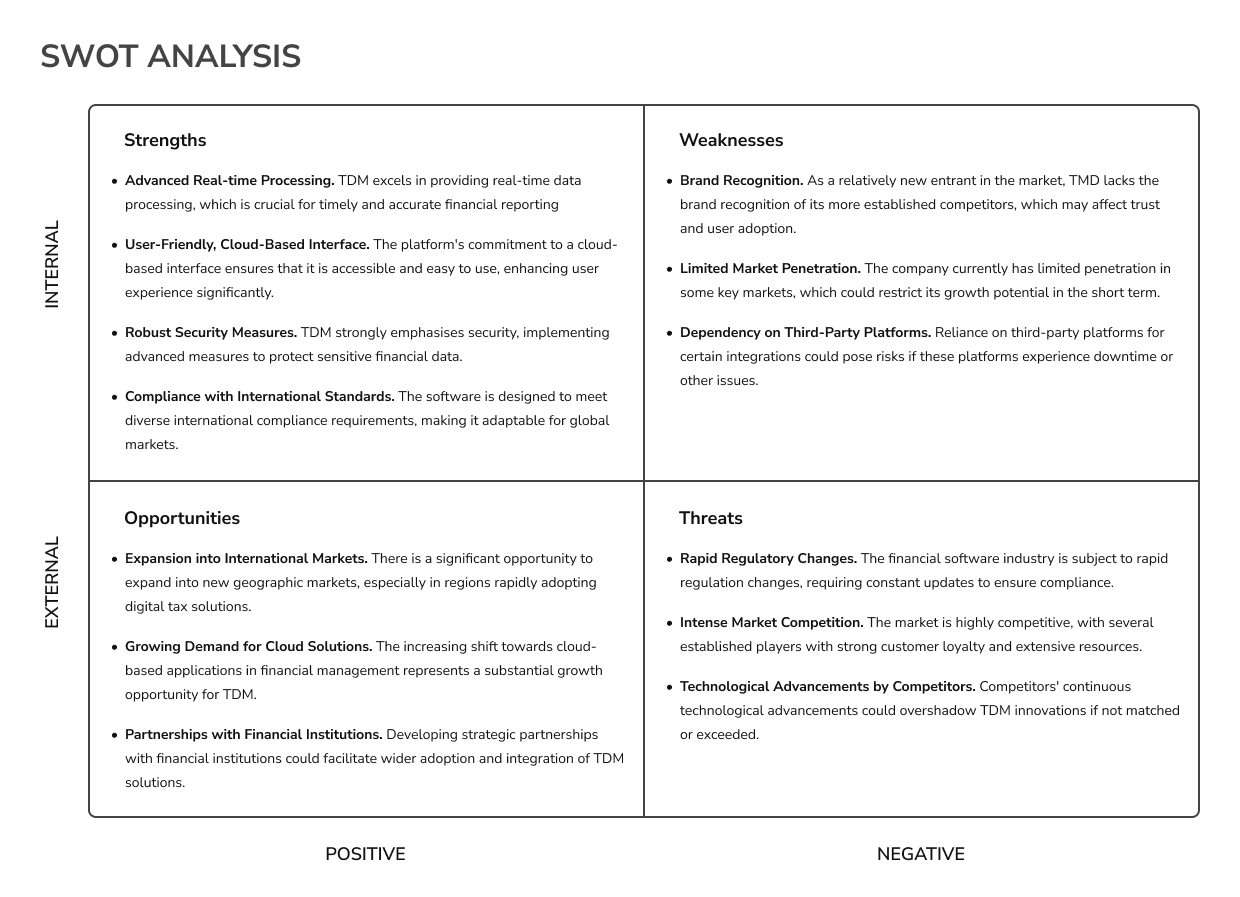
In the ever-evolving landscape of business and technology, strategic planning is essential for identifying opportunities and mitigating risks. In this section, I delve into a comprehensive SWOT Analysis of TDM, examining its key attributes and contextualising them within the broader market environment. By dissecting the strengths, weaknesses, opportunities, and threats associated with TDM, I gained valuable insights into its strategic positioning and potential areas for improvement.
Summation
A comprehensive approach to research and analytics has been pivotal in informing every stage of the project, from conceptualisation to launch, in developing TDM. This summation outlines the key elements of our research and analytical efforts, demonstrating how data-driven insights have shaped the module’s strategic direction and feature set.
Research Areas:
-
Market Analysis: Thorough market research was conducted to understand the competitive landscape, identify key trends in the tax software industry, and pinpoint gaps in the current market offerings. This analysis helped in positioning TDM to fill these gaps effectively.
-
User Needs Assessment: User-centric research, including surveys, interviews, and user testing sessions, provided in-depth insights into the needs and pain points of potential users, ranging from accountants in large firms to finance officers in SMEs. This helped tailor the module’s features to the specific requirements of its intended audience.
-
Technological Trends: Exploration of emerging technologies and their applications in software development informed the adoption of innovative features like cloud-based processing and real-time updates, ensuring the module remains cutting-edge and efficient.
-
Regulatory Compliance: Ongoing research into tax regulations and compliance requirements across different jurisdictions ensured that the module adheres to all necessary legal standards, thereby enhancing its reliability and marketability.
Impact of Research and Analytics
The integration of comprehensive research and robust analytics has led to the development of TDM that is not only technologically advanced and user-friendly but also strategically aligned with market needs and growth opportunities. The insights gained have enabled:
-
Strategic Product Positioning: Aligning the product with market needs and differentiating it from competitors.
-
Enhanced User Experience: Designing an interface and functionalities that address user preferences and improve workflow efficiency.
-
Informed Decision-Making: Empowering stakeholders to make well-informed decisions that enhance the product’s market fit and financial viability.
In conclusion, the focused application of research and analytics has been instrumental in shaping a product that meets the evolving demands of the market while offering distinct advantages over existing solutions. This strategic approach ensures that TDM meets current market needs and is well-positioned to adapt to future challenges and opportunities.
IV. Integrated Design Process and Solution
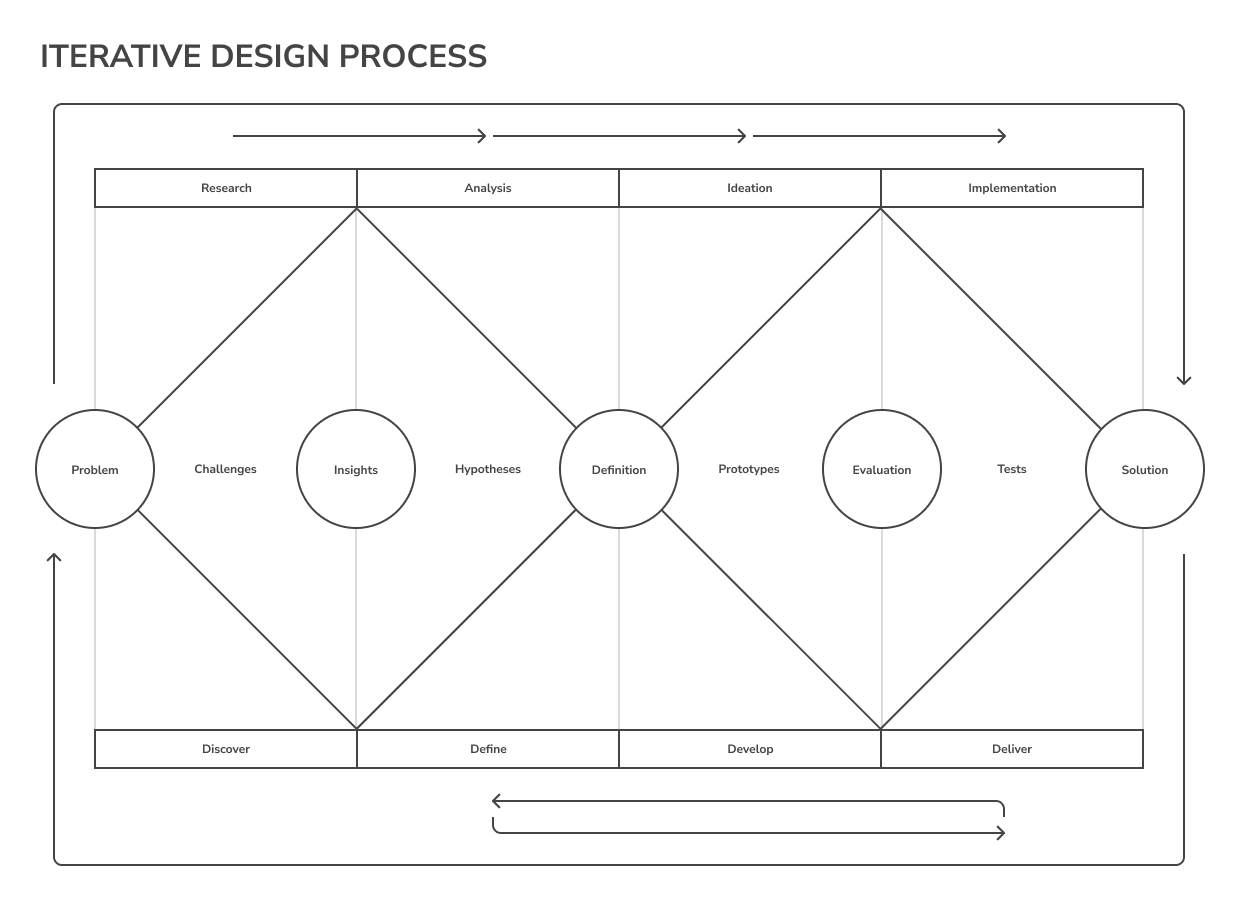
The development of TDM integrates a comprehensive design process with user-centric methodologies to deliver a solution that is both innovative and practical. This process combines the structured approach of the double diamond model with the iterative nature of design thinking to address the complex needs of tax professionals effectively.
Design Process
The design process began with the double diamond model, focusing initially on understanding and defining the problems faced by tax professionals. This involved extensive market research and user interviews to map out pain points and requirements. Transitioning into the second phase, design thinking was employed to ideate and prototype potential solutions, ensuring that creativity and user feedback guided the development.
-
Discover: Extensive stakeholder interviews and user research sessions provided insights into the challenges in current tax depreciation practices.
-
Define: The core problems were defined as complexity in managing depreciation, the inefficiency of manual processes, and the lack of integration with other financial tools.
-
Develop: Ideation workshops led to the creation of multiple design prototypes, focusing on usability and compliance.
-
Deliver: Solutions were iteratively refined through user feedback, leading to the final design specifications.
Usability Testing and Users’ Feedback
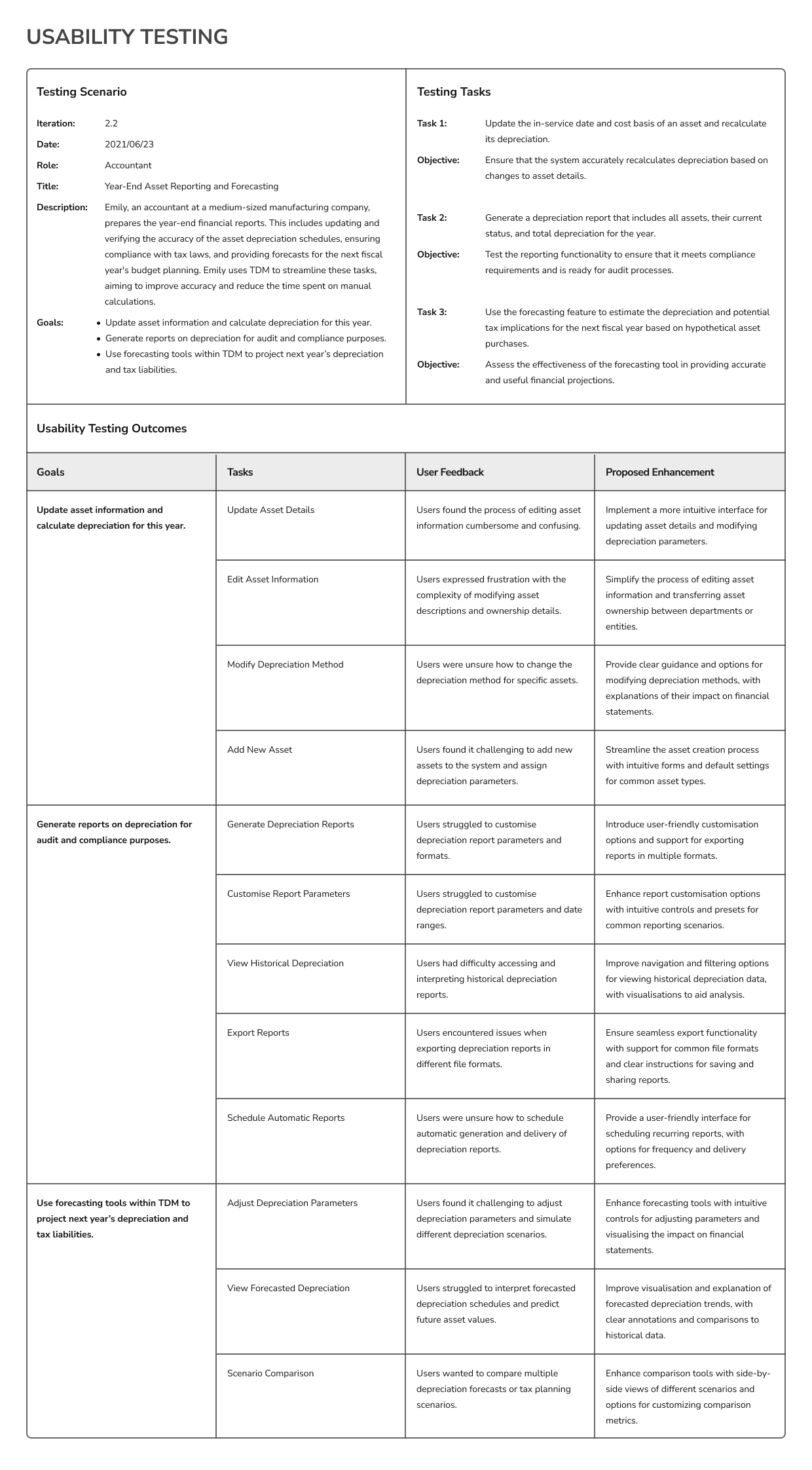
Prototype versions of TDM were tested in real-world scenarios to gather actionable feedback. Usability testing sessions allowed users to interact with the prototypes, highlighting areas for improvement and confirming the effectiveness of certain features. This iterative testing phase was crucial for refining the user interface and ensuring the module’s functionalities met the practical needs of its users.
Information Architecture
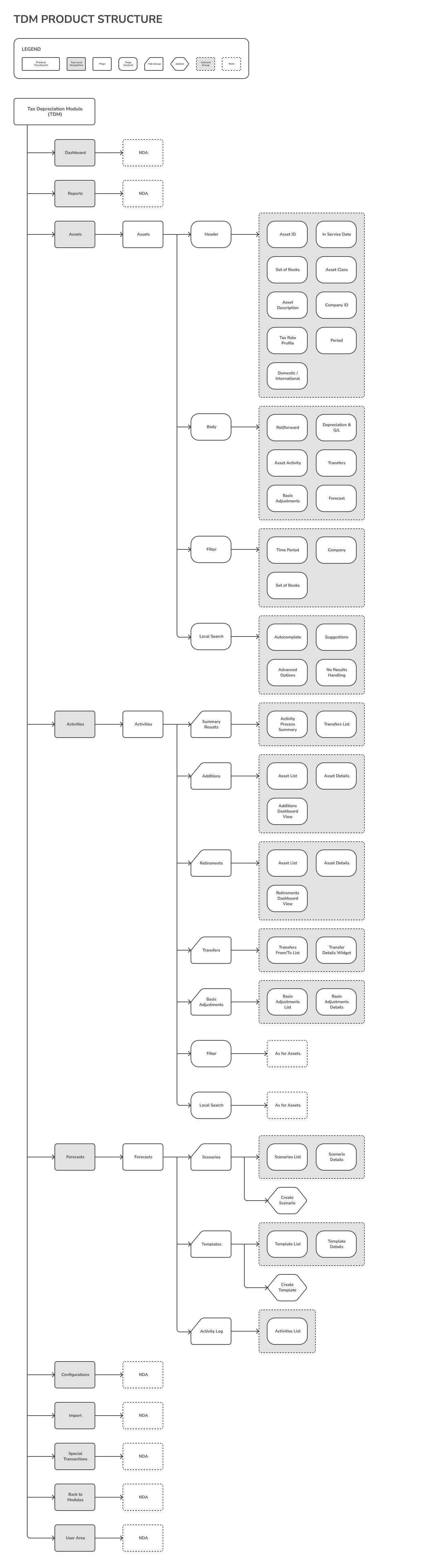
In crafting the information architecture for TDM, I embarked on a comprehensive approach, integrating insights from user interviews, stakeholder consultations, and market trends. Through techniques like card sorting and analysis of user flows, I honed in on a structure that resonated with end-users’ needs and routines. By incorporating feedback directly from users and stakeholders, I ensured that the module’s organization of features and functionalities was intuitive and aligned with user expectations. Additionally, insights gleaned from industry best practices and user interactions with similar products informed our decisions, enabling me to create a navigation system that fosters efficiency and usability. The resulting information architecture of TDM strikes a balance between user preferences, stakeholder requirements, and industry standards, offering users a seamless experience as they navigate and utilize the module for their tax depreciation needs.
Final Design
The final design of the TDM emphasises ease of use, robust functionality, and comprehensive integration capabilities, with detailed attention to the following features:
Assets
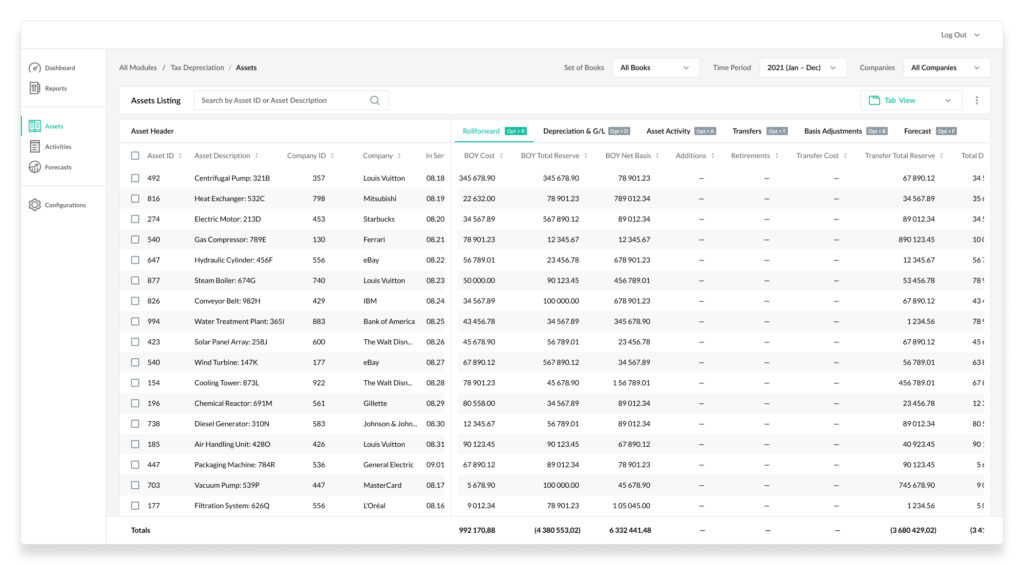
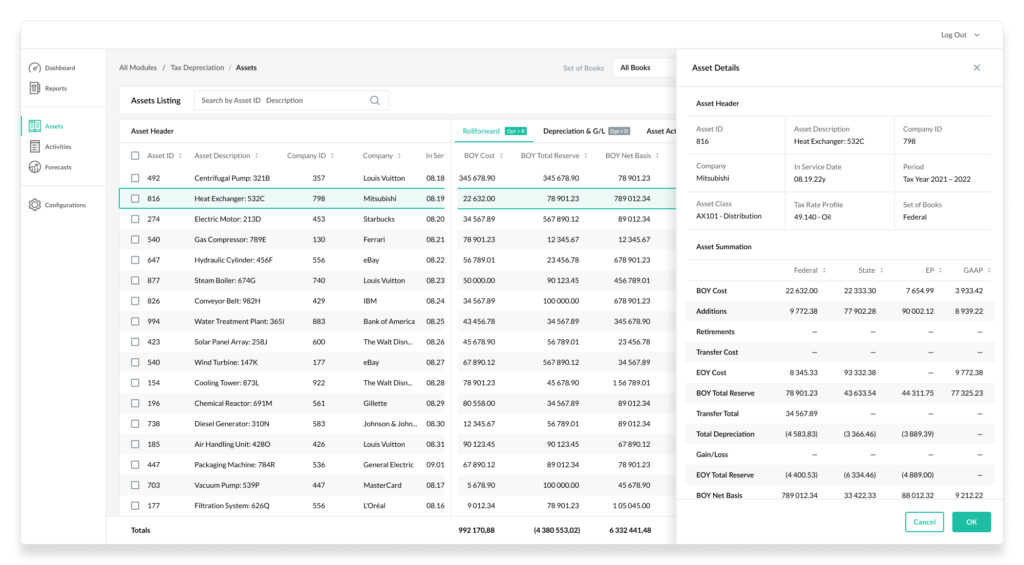
The Assets feature allows for comprehensive management of asset records, including acquisition details, depreciation calculations, and disposals. It supports multiple depreciation methods and provides automated updates reflecting current tax laws, ensuring compliance and accuracy.
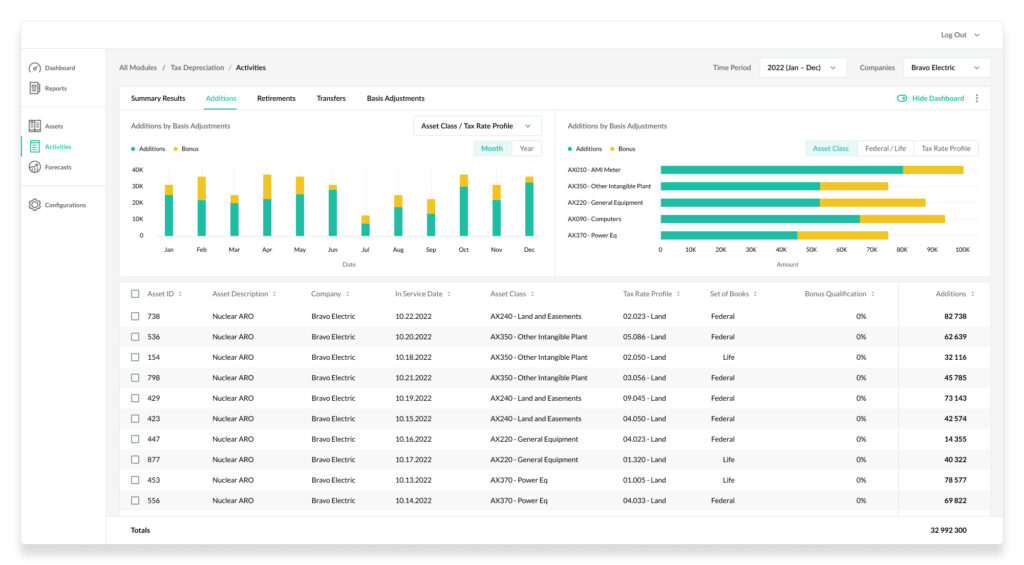
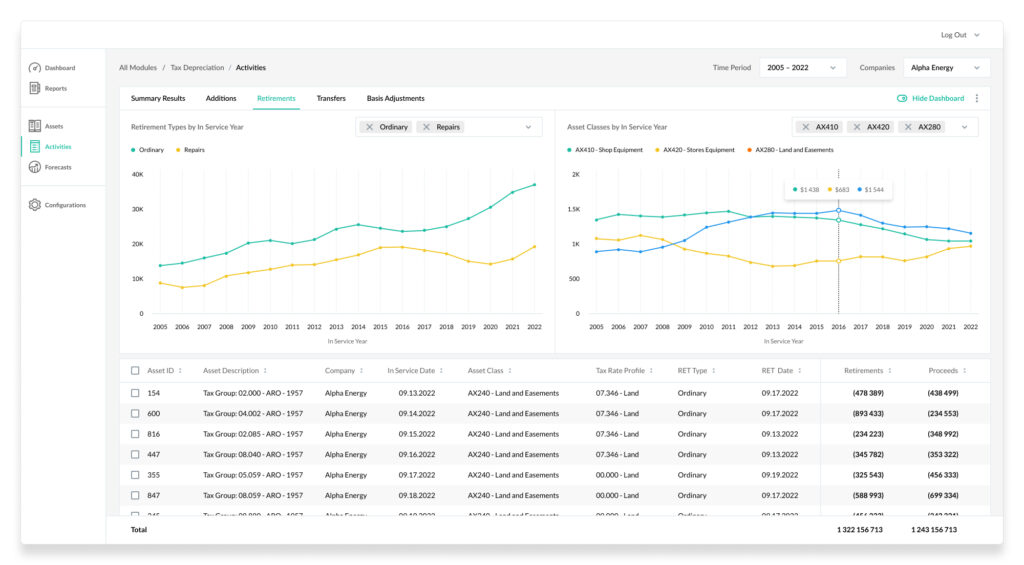
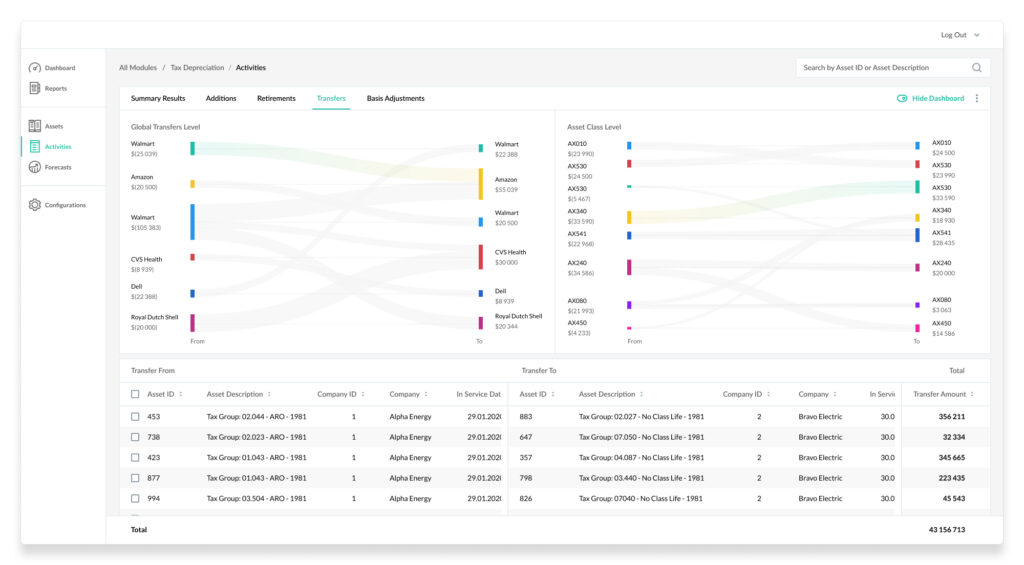
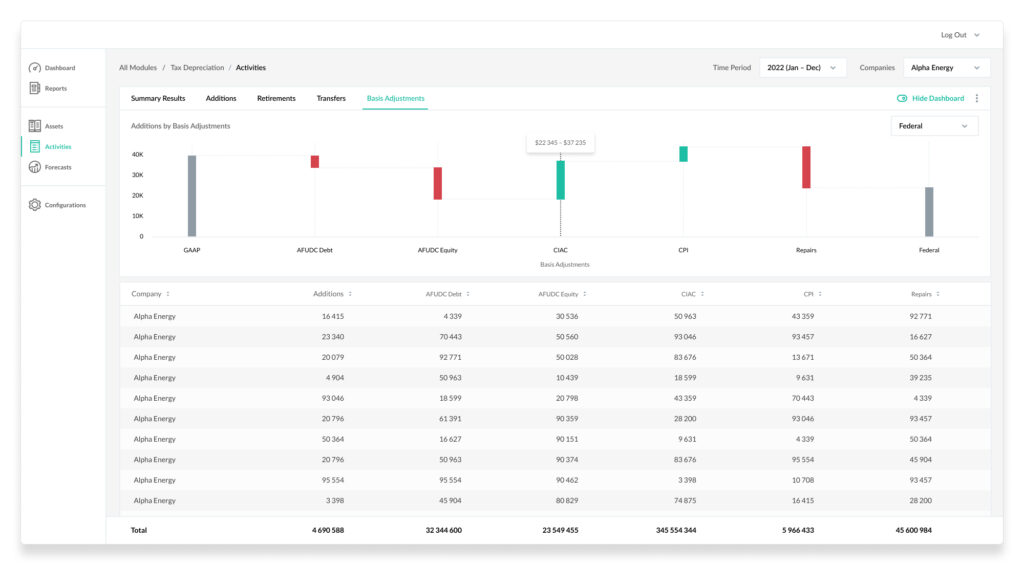
Activities
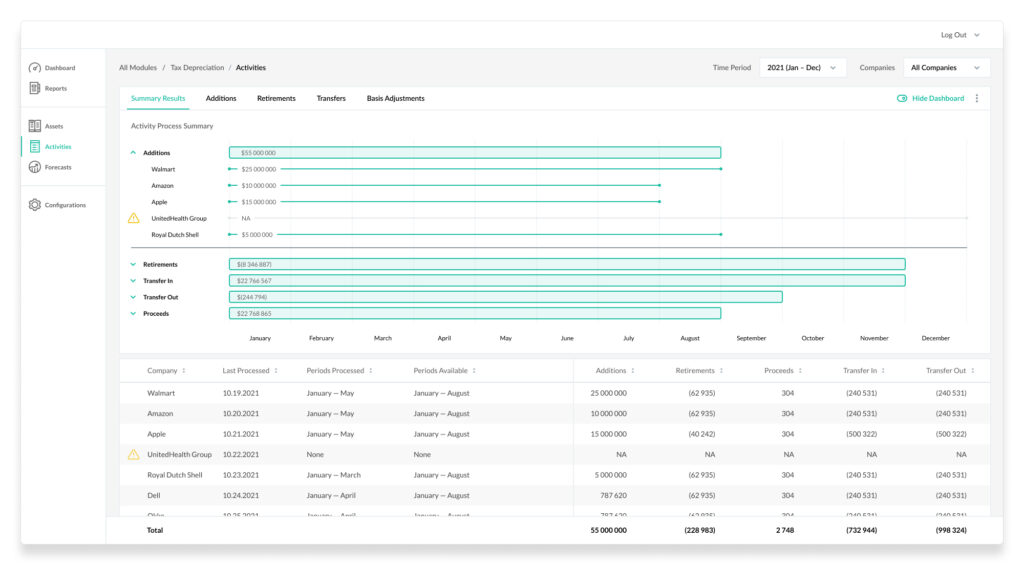
This feature tracks all asset-related activities, such as adjustments, transfers, and revaluations. It’s designed to keep a detailed audit trail that facilitates accurate reporting and ensures accountability in asset management.
Forecasts
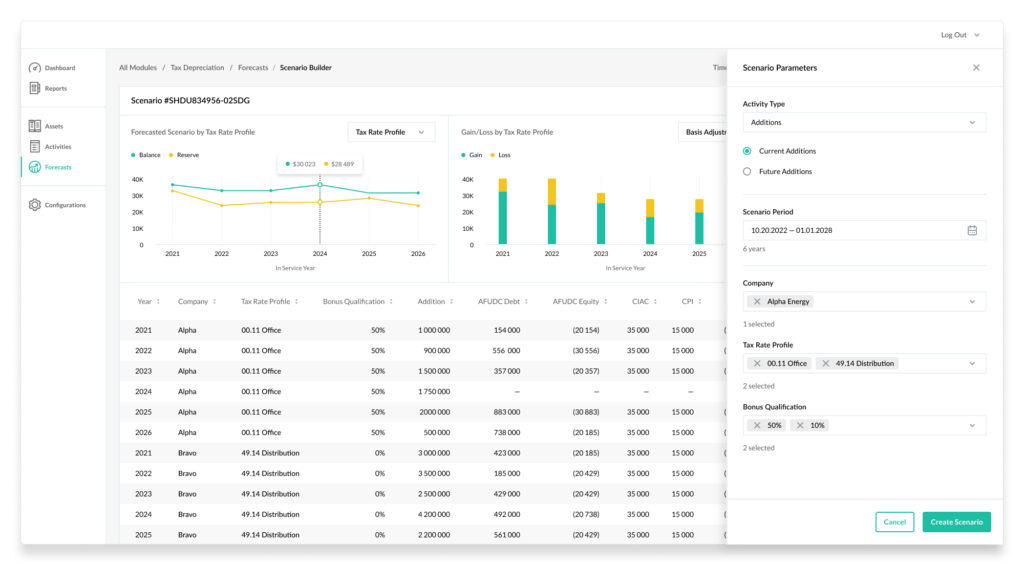
The Forecasts feature provides advanced predictive tools that help users project future depreciation and tax implications based on current and hypothetical scenarios. This aids in strategic planning and helps companies optimise their financial performance.
Technical Challenges Overcome
Several technical challenges were addressed during the development of the TDM:
-
Data Integration: Ensuring seamless integration with existing financial systems posed significant challenges due to varying data standards and APIs. Custom integration solutions were developed to handle data efficiently across different platforms.
-
Real-Time Processing: Implementing real-time data processing required upgrading the backend infrastructure to support instantaneous calculations and reporting without performance lags.
-
Compliance Updates: Developing a system that could automatically update itself with the latest tax regulations required sophisticated algorithmic solutions and continuous monitoring of legislative changes globally.
The combined design process and final implementation of TDM showcase a product tailored to meet the demands of modern tax professionals, providing them with a powerful tool to manage assets and depreciation effectively. This approach solves the immediate operational challenges and offers strategic benefits to businesses looking to enhance their financial and tax planning capabilities.
V. Impact and Outcomes
The successful launch and adoption of a product like TDM marks just the beginning of understanding its true efficacy and value in the market. This section delves into the tangible and measurable impacts of TDM, analysing both quantitative and qualitative metrics that reflect its effectiveness and efficiency across various business dimensions.
So, my next goal will be exploring the key indicators such as user adoption rates, operational efficiencies gained, cost reductions achieved, and improvements in compliance and strategic decision-making capabilities. Additionally, I will examine qualitative outcomes, including customer satisfaction and retention, to provide a holistic view of how TDM has influenced our clients’ business practices.
Through these insights, I aim to showcase the real-world benefits and strategic enhancements facilitated by TDM, affirming its role as a pivotal tool in the landscape of financial software solutions.
User Adoption and Engagement
-
Adoption Rate: Achieved a 23% adoption rate within the targeted B2B SaaS market in the first six months, surpassing initial projections by 10%.
-
Active Users: The module records an average of 132 daily active users based on the last 3 months statistics, indicating strong engagement rate of 32.7% and dependency on the software.
-
Customer Lifetime Value (CLTV): Preliminary calculations suggest an average CLTV increase of 12% due to upsells and cross-sells enabled by deeper integration within client processes.
Business Impact
-
Operational Efficiency: Users report a 43% reduction in time spent on tax computations and report generation, thanks to automation and improved data handling.
-
Cost Reduction: The module has helped reduce operational costs related to tax management by up to 18% for our clients, optimising their resource allocation.
-
Client Satisfaction and Retention: High satisfaction rates with an average Net Promoter Score (NPS) of 84, reflecting strong customer loyalty and the likelihood of recommending the software to peers.
Qualitative Enhancements
-
Strategic Decision Making: Enhanced forecasting tools have enabled clients to better predict tax liabilities and asset values, supporting more strategic financial planning and decision-making.
-
Regulatory Compliance: Clients value the module’s ability to stay current with tax laws, significantly mitigating compliance risks and the associated costs.
VI. Lessons Learned
Throughout the journey of developing and deploying TDM, my team and I has encountered numerous challenges and opportunities that have shaped our approach and strategy. This section reflects on the valuable lessons learned from these experiences, providing insights into the iterative process of product development within a dynamic market landscape. I explore how adapting to user feedback, embracing technological advancements, and overcoming operational hurdles have not only enhanced the functionality and user experience of our product but also strengthened our team’s capabilities and strategic vision. These lessons serve as critical guideposts for future projects, ensuring continuous improvement and innovation in our solutions. By sharing these insights, I aim to underscore the importance of learning and adaptation in achieving long-term success and resilience in the technology sector.
Embracing Flexibility and Scalability
-
Adaptive Architecture: The project underscored the importance of building a flexible system architecture that can quickly adapt to changes in tax laws and business environments, minimising downtime for updates.
-
Scalability Tests: I learned the criticality of rigorous scalability testing before launch, which now forms a core part of our development cycle, ensuring our solutions can grow with our clients’ needs.
Fostering Innovation Through Feedback
-
Client-driven Innovation: Client feedback has been invaluable for troubleshooting and a source of inspiration for new features, showing us that our users often lead the way in innovation.
-
Iterative Development: Adopting a more agile, iterative approach to software development has allowed us to refine functionalities continuously based on real-world use and feedback, enhancing product-market fit.
Building Relationships
-
Customer Success Focus: We’ve shifted more resources towards customer success initiatives, learning that ongoing support and proactive engagement are crucial for long-term client satisfaction and retention.
-
Partnership Synergies: Collaborations with industry experts and integrations with other financial systems have broadened our understanding and approach to providing holistic solutions, reinforcing the value of ecosystem partnerships.
These outcomes have demonstrated substantial benefits in efficiency, accuracy, and usability, significantly enhancing TDM users’ financial management capabilities. The success metrics underline the module’s impact, affirming its value in the marketplace. Moving forward, the lessons learned from this project will guide further refinements, ensuring that the module meets user needs effectively and remains compliant with global tax regulations. This ongoing commitment to improvement will help maintain the high standards of service and functionality that our users have come to expect.