

FAT: Innovating Fraud Analytics for iGaming Operators
B2B, SaaS, iGaming and Location Tracking, Web application, Fraud Analytics module, 2022.
I. Introduction
Overview
FAT Central is a premier web portal, expertly crafted for the game and iGaming industry, encompassing operators and their support teams. This sophisticated platform stands out for its swift and precise verification of GPS positions, user connections, and device details, accomplishing these tasks in mere milliseconds. Tailored to meet the rigorous demands of regulatory location requirements and precision, FAT Central excels in ensuring compliance with strict standards for location verification. Beyond its core functionality of authenticating user locations through GPS, network connections, and device specifics, the platform plays a pivotal role in identifying and thwarting fraudulent behavior. By providing valuable insights and essential data, FAT Central is instrumental in facilitating the growth and expansion of businesses within the gaming and iGaming sectors. Its cutting-edge interface and commitment to accuracy not only enhance security measures against fraud but also deliver crucial insights, proving indispensable for operators aiming to advance and enlarge their enterprise in a highly regulated environment.
The Goal
The overarching goal of this comprehensive project was multifaceted, aiming to:
- Reduce time on task by 15%, improve first-click accuracy, and decrease user error rate.
- Increase Live Map loading time to 1.6 seconds.
- Enhance the search module to optimize system data navigation and user accessibility.
- Design a new, comprehensive Fraud Analytics module tailored to meet business requirements and be competitive in the market.
Problems
Throughout the project, I identified several key problems across different aspects of the platform:
- Lack of personalization and context awareness.
- Insufficient user education.
- Accessibility issues lead to a less inclusive user experience.
- Inefficient navigation causes user frustration.
- Cognitive overload from information density.
- Low Cumulative Layout Shift (CLS) indicator and Resource Load Times (RLT), affect the user experience.
- Lack of data clusterization in visual representations.
- Unmet user expectations due to unsatisfactory feedback on specific issues.
- Challenges in managing changing fraud tactics and processing real-time data.
- Navigating the opaque nature of the fraud detection market while ensuring user privacy and data security.
- Adhering to legal and regulatory standards with a resource-intensive development process.
My Role
I served as the Lead Product Designer, overseeing the design strategy and execution to address these problems and achieve set goals.
My Responsibilities
My responsibilities were broad and aimed at tackling the identified issues through strategic design and innovation:
- Uncover insights into the audience’s needs and behaviors to inform the design process.
- Align design strategies with product goals and user requirements for a cohesive experience.
- Build wireframes, prototypes, and high-fidelity designs to enhance user interaction with the platform.
- Conducted comprehensive tests to confirm design choices and ensure they met user needs.
- Engage with a cross-functional team of designers, managers, developers, and executives to ensure alignment and integration of design strategies.
- Guide mid-level designers, providing mentorship and fostering a collaborative design environment.
- Continuously refine UX design approach based on feedback, testing, and evolving user needs.
- Ensure design inclusivity, making the platform accessible and usable for diverse users.
- Oversee the final design’s quality, ensuring it meets high standards and effectively addresses the identified problems.
Modules Improvement
Streamlining Complex Table Designs for Efficient Data Management
- Goal: To reduce time on task by 15%, improve first-click accuracy, and lower user error rates.
- Challenges: The module suffered from a lack of personalization, insufficient user education, accessibility issues, inefficient navigation, and cognitive overload.
- Solutions: Focused on uncovering user needs, aligning design strategies with product goals, and refining UX through wireframes, prototypes, and high-fidelity designs.
Elevating Performance Through Enhanced Visualization Techniques
- Goal: To increase the Live Map loading time to 1.6 seconds.
- Challenges: Issues included low Cumulative Layout Shift (CLS) indicators, resource load times, lack of data clusterization, cognitive overload, and unsatisfactory user feedback.
- Solutions: Led user research to inform design decisions, analyzed data to drive innovation, and developed wireframes and prototypes for a more interactive user experience.
Accelerating Time on Tasks with Advanced Filter and Search Engine Capabilities
- Goal: To optimize system data navigation and user accessibility within the search module.
- Challenges: The module faced inefficient data navigation, poor search and filter accessibility, slow search results, limited search functionality, and a high search error rate.
- Solutions: Explored insights about end-user preferences, synchronized product design tactics with objectives, and crafted designs to enhance user interaction and efficiency.
Innovating Fraud Analytics for iGaming Operators
- Goal: To create a new, comprehensive Fraud Analytics module tailored to meet business requirements and competitive market demands.
- Challenges: Addressing evolving fraud tactics, processing real-time data, dealing with the opaque nature of the fraud detection market, and ensuring user privacy and data security.
- Solutions: Conducted extensive research to understand end-user behavior, developed designs to enhance fraud analytics capabilities, and ensured the module’s alignment with regulatory standards.
Conclusion
The comprehensive redesign of FAT Central, spearheaded by a deep understanding of users’ needs and industry challenges, marks a significant step towards enhancing operational efficiency and compliance capabilities within the iGaming sector. Through dedicated efforts in improving each module based on user-centered principles, we are proud to offer a platform that meets and exceeds the expectations of professionals like Elliot Cooper, the end-user persona, driving innovation and excellence in iGaming.
II. Research and Analytics
The enhancement of FAT Central’s redesign strategy involved extensive research and analysis, focusing on understanding the competitive landscape, benchmarking against critical players in the industry, and conducting a thorough SWOT analysis to identify strategic positions and opportunities for growth.
Competitor Analysis
I analyzed competitors such as GeoComply, NetEnt, Playtech, Iovation, and GBG, focusing on their offerings in geolocation services, fraud detection capabilities, and compliance tools. This analysis revealed that while some competitors, like GeoComply, specialize in geolocation precision, others, like Iovation, excel in fraud detection. This diversity highlighted the need for FAT to strengthen its unique selling proposition (USP) by offering integrated solutions that efficiently cater to both needs.
Benchmarking
Creating a feature benchmarking comparison for platforms similar to FAT Central, such as GeoComply, NetEnt, Playtech, Iovation, and GBG, involves examining their geolocation validation, fraud detection, and regulatory compliance capabilities. Here’s a detailed comparison:
Geolocation Validation
-
FAT Central: Offers precise geolocation services tailored for iGaming, ensuring compliance with local laws and regulations.
-
GeoComply: Specializes in geolocation technology with high accuracy, widely regarded for its robustness and integration capabilities in the iGaming and sports betting industries.
-
NetEnt: Does not primarily focus on geolocation but integrates such services to support its gaming platforms and ensure regulatory compliance.
-
Playtech: Incorporates geolocation features within its Information Management Solution (IMS) to comply with jurisdictional requirements, though it’s more of an adjunct to its gaming products.
-
Iovation: Focuses on device recognition and IP analysis for geolocation but is more oriented towards fraud prevention than precise location validation.
-
GBG: Provides geolocation services as part of its identity verification solutions, helping ensure that users are in a permitted jurisdiction but with a broader focus beyond gaming.
Fraud Detection and Risk Management
-
FAT Central: Offers advanced fraud detection mechanisms tailored for the iGaming sector, including player verification and behavior analysis.
-
GeoComply: While primarily a geolocation service, it offers fraud detection capabilities by analyzing location spoofing attempts and other geolocation-related fraud activities.
-
NetEnt: Provides fraud and risk management tools as part of its back-office offerings, focusing on player behavior and transaction monitoring to prevent fraud.
-
Playtech: Features comprehensive fraud prevention tools within its IMS, including payment fraud detection, player monitoring, and anti-money laundering (AML) capabilities.
-
Iovation: Specializes in fraud detection, offering a wide range of services, including device-based recognition, transaction monitoring, and a global fraud prevention network.
-
GBG: Offers identity verification and fraud prevention solutions, including age verification, document verification, and behavioral analysis, to mitigate risk.
Regulatory Compliance
-
FAT Central: Designed to ensure iGaming operators meet local and international regulatory compliance requirements, focusing on location-based regulations.
-
GeoComply: Renowned for its ability to ensure operators comply with stringent regulatory standards through its accurate geolocation services.
-
NetEnt: Ensures compliance through its gaming solutions and back-office tools, which include player protection features and responsible gaming controls.
-
Playtech: Its IMS platform is built to help operators comply with global regulatory standards, offering tools for player protection, AML, and reporting.
-
Iovation: Provides compliance solutions that help operators meet regulatory requirements, focusing on AML, Know Your Customer (KYC), and responsible gaming.
-
GBG: Specializes in identity verification for compliance, offering solutions that meet KYC, AML, and age verification regulations globally.
In summary, while each platform has its strengths, the choice among them would depend on the specific needs of an iGaming operator, such as the emphasis on geolocation accuracy, the depth of fraud detection capabilities, or the requirement for comprehensive regulatory compliance solutions.
SWOT analysis for FAT
Creating a SWOT analysis for FAT involves examining its strengths, weaknesses, opportunities, and threats regarding providing geolocation services, fraud detection, and regulatory compliance for the iGaming industry.
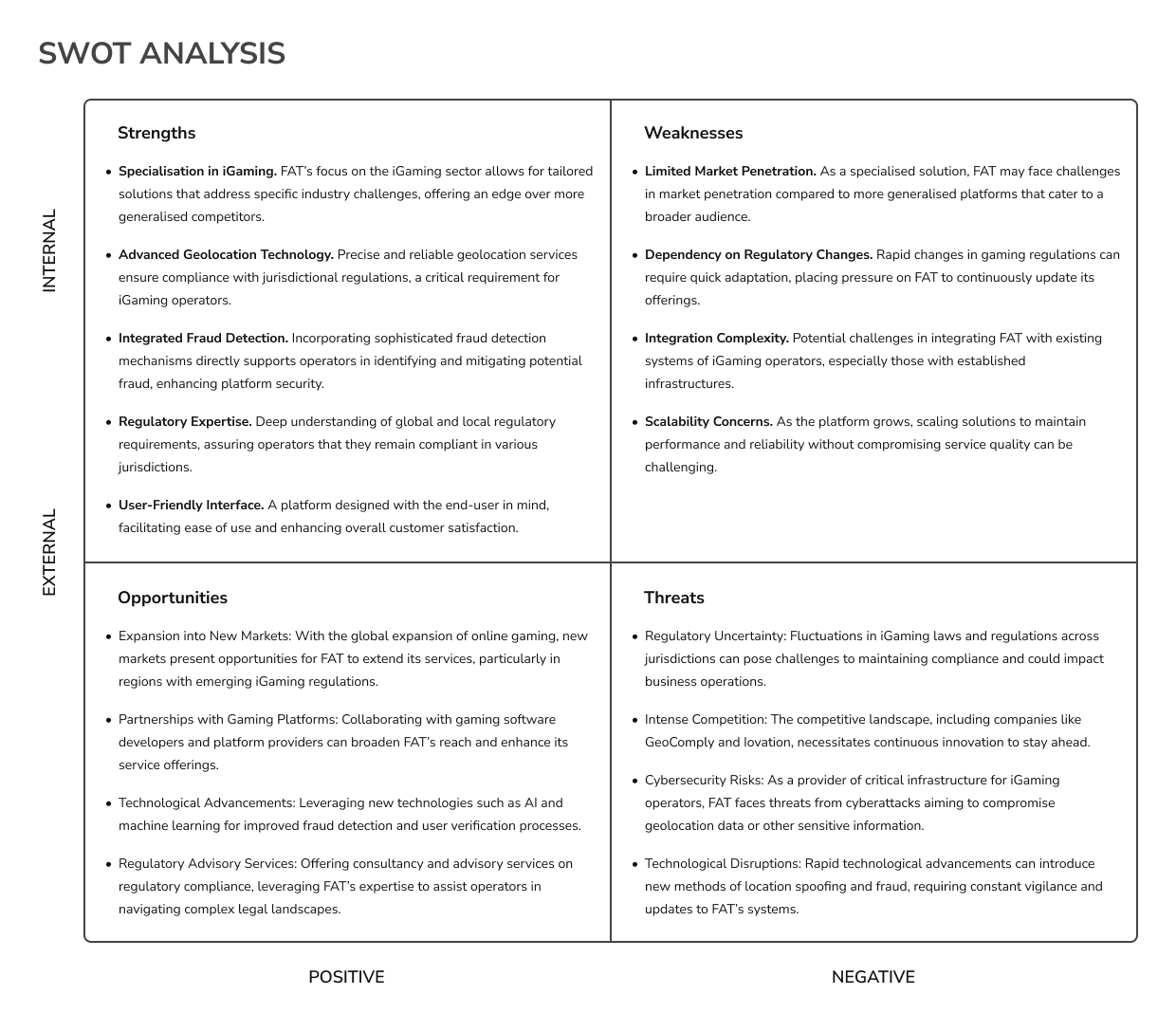
This SWOT analysis underscores the need for FAT to leverage its specialized expertise and innovative technologies to capitalize on new opportunities while addressing the inherent challenges of the iGaming industry. Continuous investment in technology, strategic partnerships, and market expansion can help FAT strengthen its position as a geolocation and fraud detection services leader.
Deep Dive into User’s Core Needs
Embarking on a thorough exploration of users’ experiences, I delved deep to unearth the fundamental challenges faced by gaming operators and support teams who interact with the platform daily. This intensive research phase employed a blend of analytical tools, direct user interviews, and observational studies, allowing me to gather nuanced insights into the operational hurdles that hamper efficiency and satisfaction.
Pain Points
My findings highlighted three predominant issues that consistently emerged across user feedback:
-
Cognitive Overload: Users were inundated with information, making it challenging to quickly discern relevant data from the noise. This overload slowed decision-making processes and heightened the potential for errors, a critical concern in the fast-paced iGaming industry.
-
Inefficient Navigation: The platform’s existing structure led users through convoluted paths to complete straightforward tasks. This inefficiency was particularly pronounced when users attempted to locate specific functionalities or data points, leading to frustration and wasted time.
-
Lack of Personalization: A one-size-fits-all interface failed to accommodate the user base’s diverse needs and preferences. Operators and support staff sought a more adaptable environment tailored to their unique workflows and priorities.
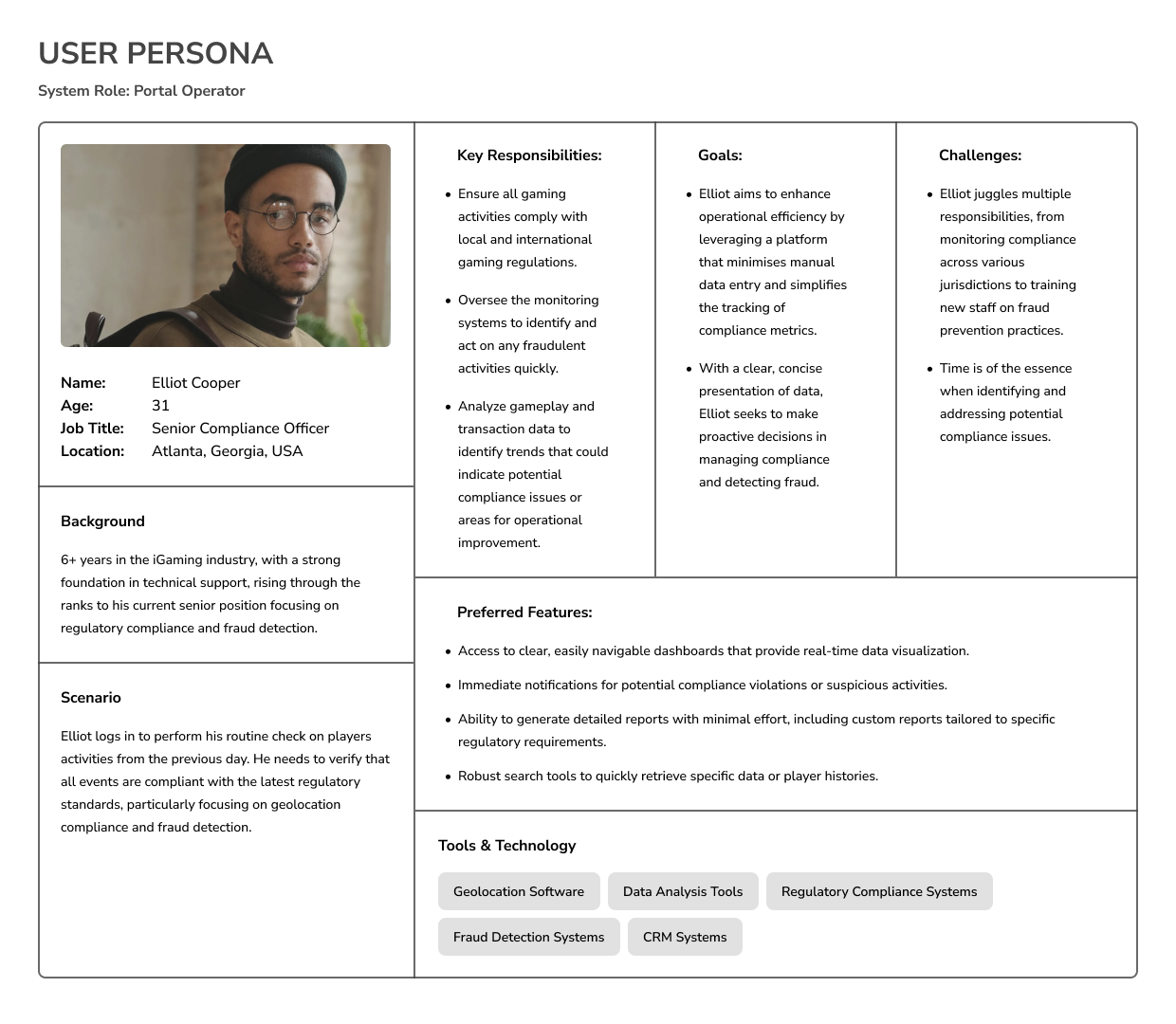
Comprehensive Persona Development: Elliot Cooper
In my quest to deeply understand and empathize with the platform’s users, I crafted a detailed persona that encapsulates the product’s target audience’s quintessential traits, challenges, and aspirations.
User Interviews
Informed by these insights, my redesign strategy aimed to dismantle these barriers and reconstruct a user experience that was both intuitive and empowering. The approach focused on simplifying the user interface to minimize cognitive load, restructuring the navigation to enhance efficiency, and introducing customizable features to provide a personalized user journey. This tailored redesign was envisioned not just as a solution to existing problems but as a dynamic foundation capable of evolving in tandem with users’ needs.
To ensure my redesign met real-world needs, I crafted specific interview questions to uncover deep insights into users’ workflows, pain points, and desires. Here are some question examples:
-
“Can you walk me through a typical scenario where you use FAT Central? Where do you feel the process could be improved?”
-
“Describe a recent challenge you faced while using our platform. What was missing or frustrating in that experience?”
-
“In what ways do you interact with the fraud analytics features of our platform? Are there specific tools or data you find most beneficial or lacking?”
-
“How do you manage and prioritize alerts or notifications within FAT Central? Are there any improvements you’d like to see in how information is alerted to you?”
-
“Can you describe a situation where FAT Central significantly impacted your decision-making process? What features were most useful, and what could have been better?”
-
“How do you perceive the platform’s performance, particularly regarding speed and responsiveness? Have you encountered any issues that hindered your workflow?”
-
“Regarding the platform’s current search capabilities, how often do you find exactly what you’re looking for on your first attempt? Are there any particular types of information that are more difficult to locate?”
-
“Have you used FAT Central to train or onboard new team members? How was that experience, and what tools or resources would have made it more effective?”
-
“How do you integrate FAT Central into your broader compliance and regulatory workflow? Are there integrations or features you wish existed to make this smoother?”
-
“How do you typically use the Live Map feature within FAT Central? What improvements could make this feature more valuable or easier for your team?”
-
“Reflecting on your overall experience with FAT Central, what three changes or additions would significantly impact your daily work?”
These questions were instrumental in gathering actionable insights that directly influenced redesign efforts.
Enhancing System Modules with Insights from UX Audit Discoveries
Following an in-depth analysis of market research and user persona insights, I conducted a thorough UX Audit on key modules of FAT Central: Check Requests Log, Live Map, and OmniSearch. This audit was pivotal in identifying the weak sides of our current system from both UX and accessibility perspectives. I aimed to uncover areas for improvement to ensure a more seamless and inclusive user experience.
Check Requests Log
My audit revealed several UX issues and areas for enhancement:
-
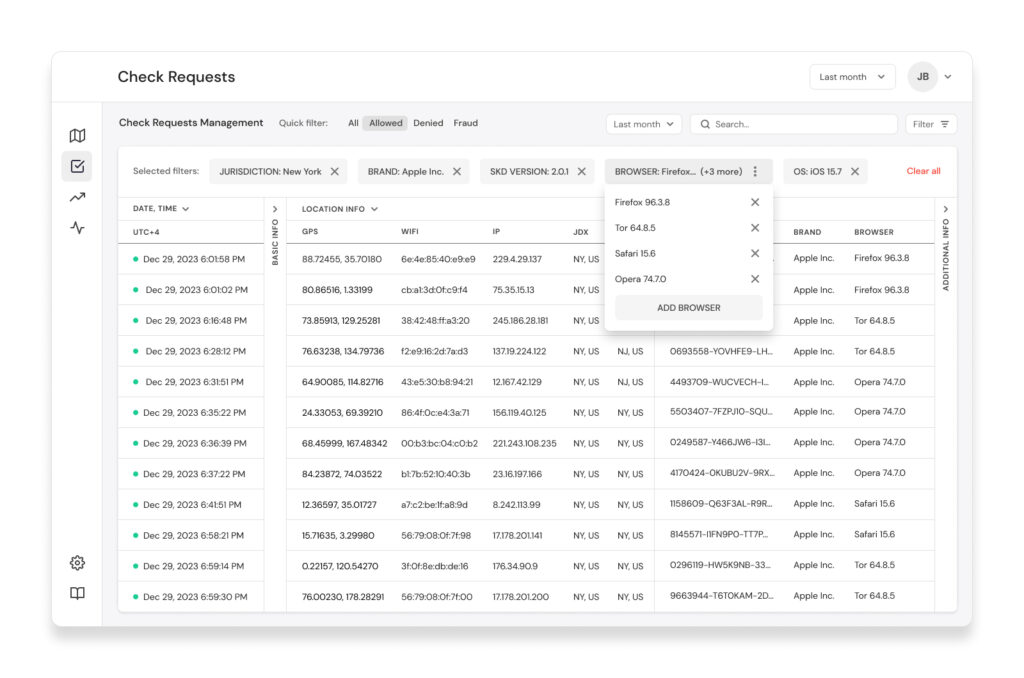
Table Visibility: I noticed the data presentation was overwhelming, making it hard for users to navigate the information efficiently.
-
Sorting Functionality: The existing sorting functions were not optimized, leading to user frustration in finding relevant check requests.
-
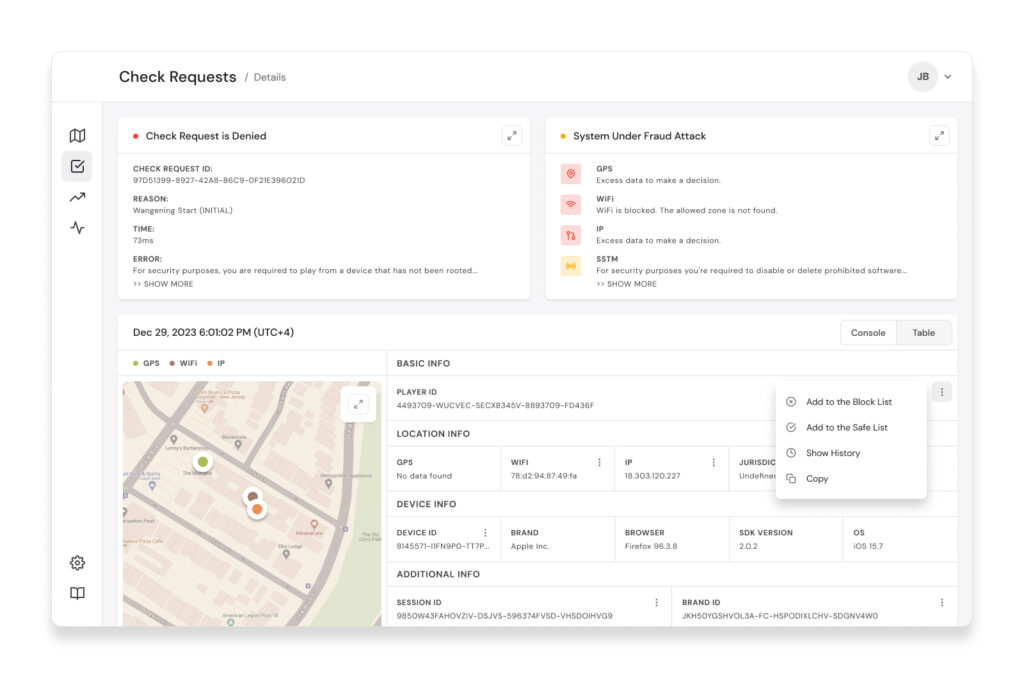
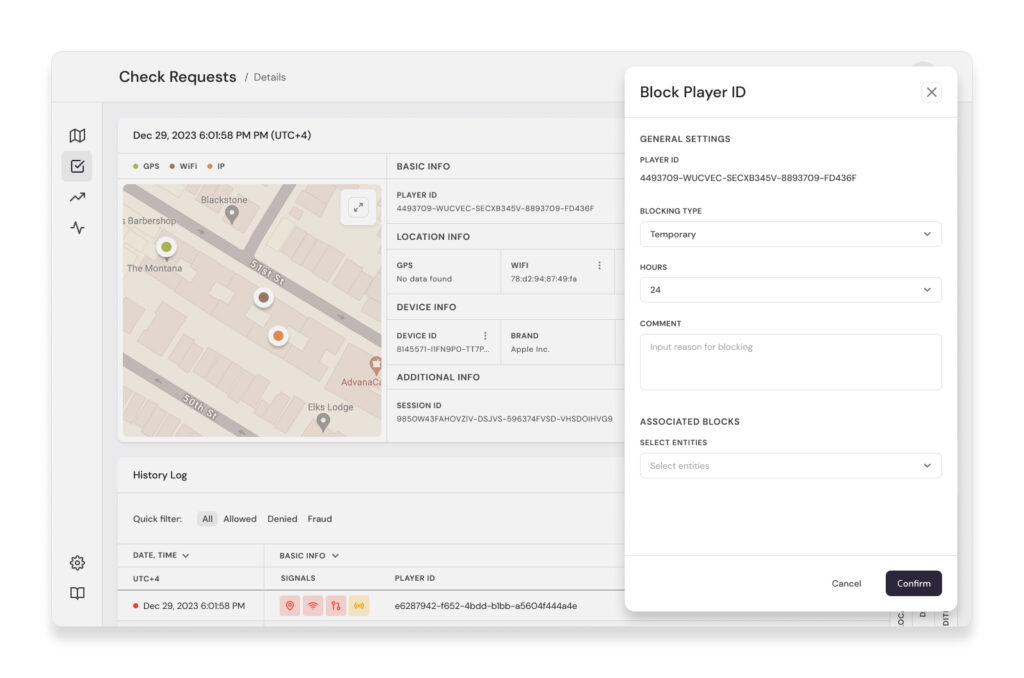
Visibility of Actions for Specific Requests: Actions related to specific requests were not immediately clear or self-explanatory, hindering task efficiency.
-
Check Request Details: The anatomy of request details was cluttered. I decided to introduce card titles and sublines with descriptions to make information digestible and the data structure into a more consistent layout.
-
Navigation Improvements: The absence of breadcrumbs made navigation through the system’s pages cumbersome and unintuitive.
To address these findings, I planned to overhaul the interface to enhance table visibility, optimize sorting functionality, and make actions for specific requests more user-friendly. Moreover, restructuring check request details and integrating breadcrumbs aimed to improve navigation and user satisfaction significantly.
Live Map
The audit of the Live Map module highlighted critical areas for development:
-
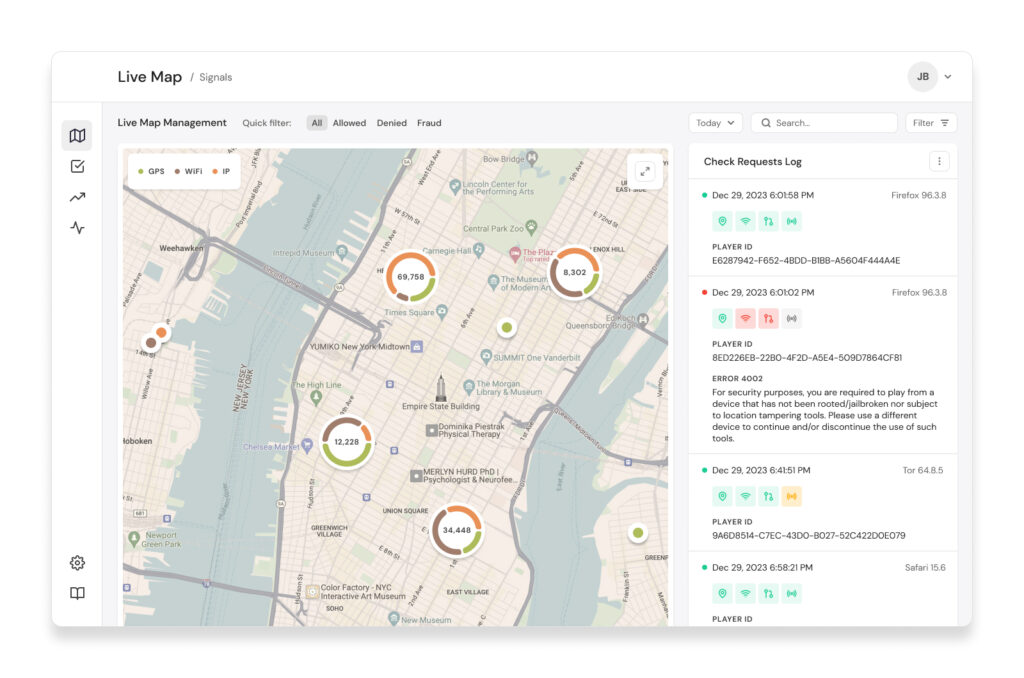
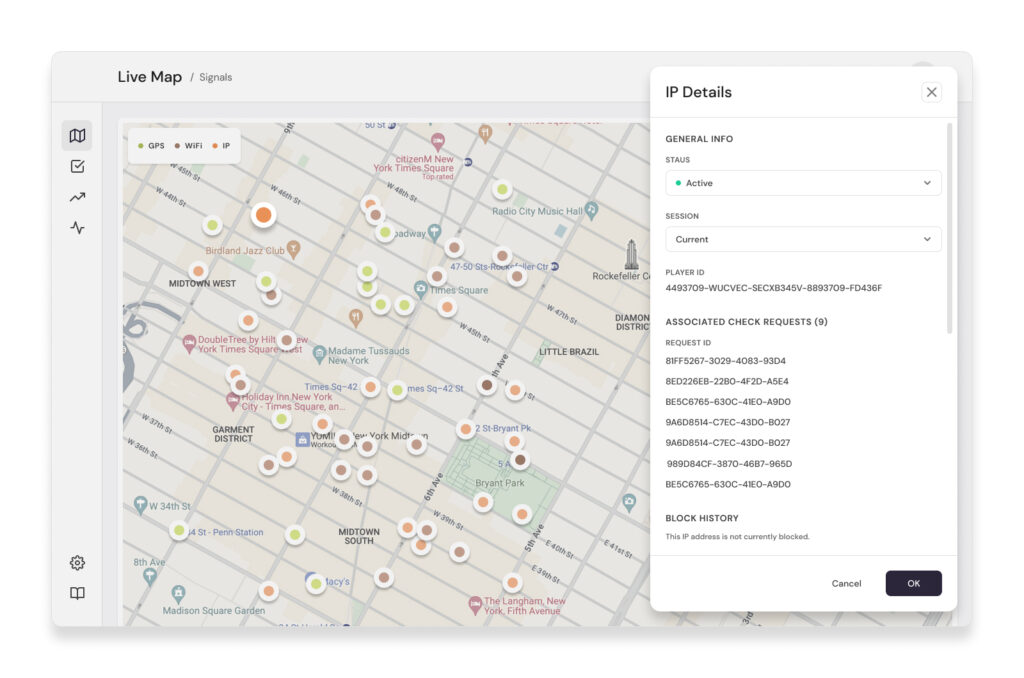
Clusterization for Signals: It became evident that adding clusterization would enhance the user’s ability to discern dense information areas.
-
Visual Approach: The current visual approach impacted the performance of the Live Map, necessitating a rethink to boost page efficiency.
-
Live Request Log Updates: I found that the updates for live requests were not aligned with new user cases, making real-time data interaction less effective.
Implementing these changes was crucial to improving the Live Map’s usability, making real-time data more accessible and understandable to our users.
OmniSearch
The OmniSearch module faced its own set of challenges:
-
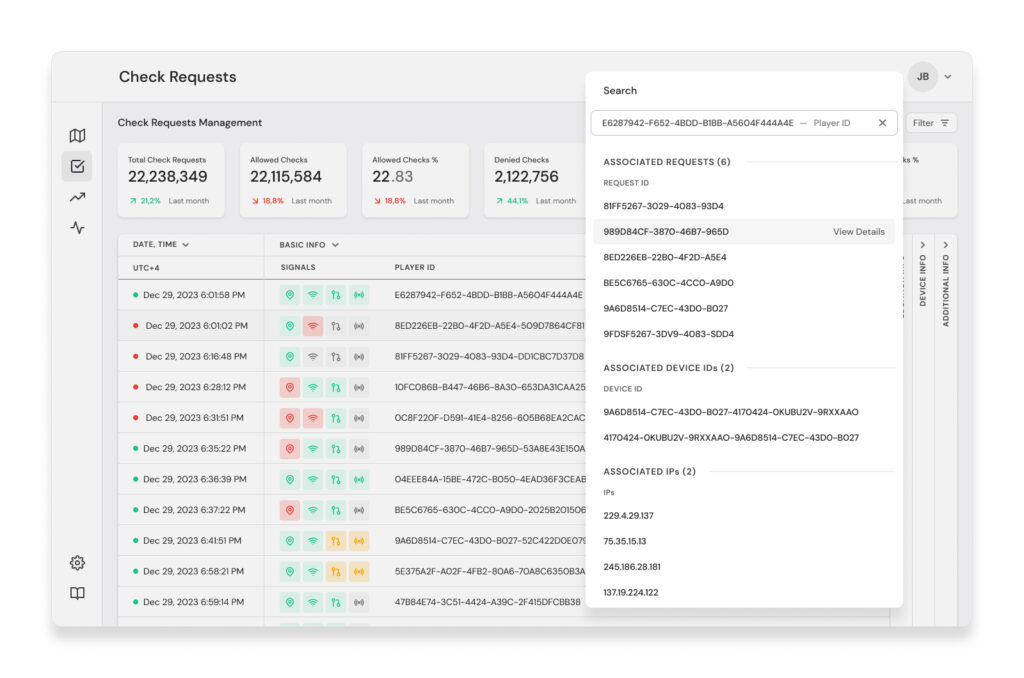
Search Flexibility and Performance: The search functionality was rigid, providing bad performance and irrelevant results for complex queries.
-
Lack of Auto-Complete and Suggestions: The absence of these features reduced the efficiency and user-friendliness of the search process.
-
Search Request Customization: Users had no means to customize their search requests, limiting the tool’s usefulness.
Reflecting on the UX Audit, it became clear that targeted improvements were necessary across the board to elevate FAT Central’s overall user experience and accessibility. My goal was to address these identified weaknesses comprehensively, ensuring that the platform met and exceeded our users’ expectations in usability, performance, and accessibility.
KPI Analytics Data
To measure the impact of the design strategy, my team and I set realistic targets based on benchmarking against industry standards and our historical data. Here’s an example of the KPI analytics data we aimed to improve with the redesign:
-
User Engagement Rate: The average monthly user engagement rate was 67% for pre-redesign. We aimed to increase this to 80% within six months post-launch of the redesigned platform.
-
Average Time on Task: Initially, completing a compliance check took users an average of 7 minutes. We aimed to reduce this to 4 minutes, enhancing efficiency by over 40%.
-
First Click Accuracy: Our baseline data showed a first click accuracy rate of 66%. We targeted an improvement of 85% to ensure users found what they needed faster.
-
Search Error Rate: With a pre-redesign search error rate of 27%, our goal was to reduce this to below 10%, significantly enhancing search functionality.
-
Customer Satisfaction Score (CSAT): From a baseline CSAT of 72%, our objective was to reach or exceed 90%, reflecting higher user satisfaction with the platform’s usability and features.
-
Reduction in Cognitive Load: Measured by user self-reporting through surveys, we aimed for a 30% improvement in users feeling less overwhelmed by the information presented.
-
First Click Accuracy Improvement: Indicating a more intuitive navigation and information architecture, my team and I aimed to increase the accuracy of users finding what they need on their first click to above 90%
-
Live Map Loading Time: Shorten the loading time for the Live Map feature to 1.6 seconds or less, offering users quicker access to real-time geolocation data.
-
Search Module Optimization: Enhancing the search module, our goal was to achieve a user accessibility rate above 95%, coupled with a significant reduction in the search error rate to below 10%.
These targeted metrics were designed to quantify redesign’s success in meeting users’ specific needs and driving forward the usability and efficiency of FAT Central.
Design strategy involved a dive into user behavior, crafting personas, and validating hypotheses. I leveraged data analytics, user interviews, competitive analysis to pinpoint inefficiencies, and UX Audit within FAT Central’s modules, including the Check Requests Log, Live Map, and OmniSearch.
III. Solution Development
The redesign strategy revolutionized FAT Central’s usability and functionality, particularly with the introduction of the Innovating Fraud Analytics for iGaming Operators feature. It encompassed the development of user scenarios, flow charts, user cases, information architecture improvements, wireframes, prototyping, demos, and comprehensive design documentation.
Integrated Business Process
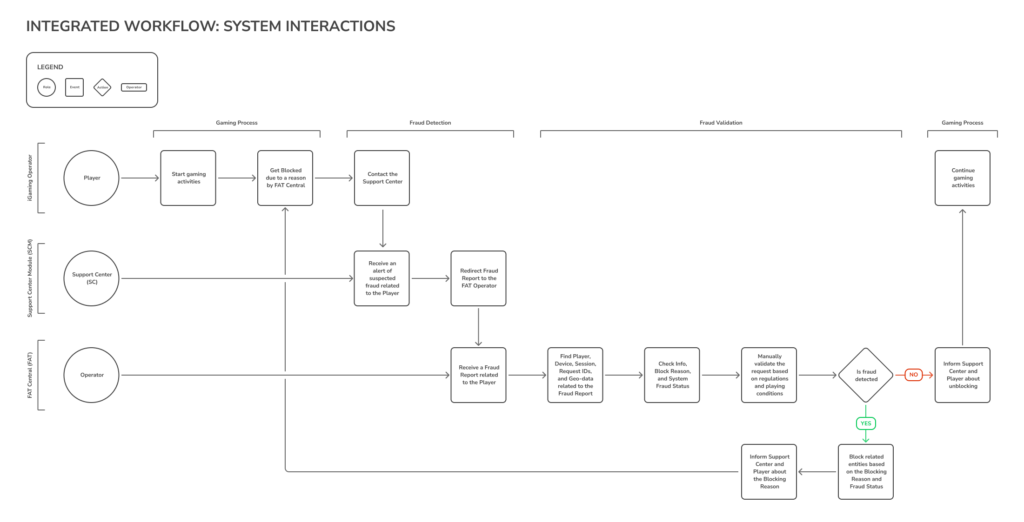
To enhance the effectiveness of our fraud detection efforts, we implemented an Integrated Business Process Workflow that seamlessly connects various departments within the organization, ensuring swift and coordinated responses to fraud alerts.
Entity-Relationship Diagram
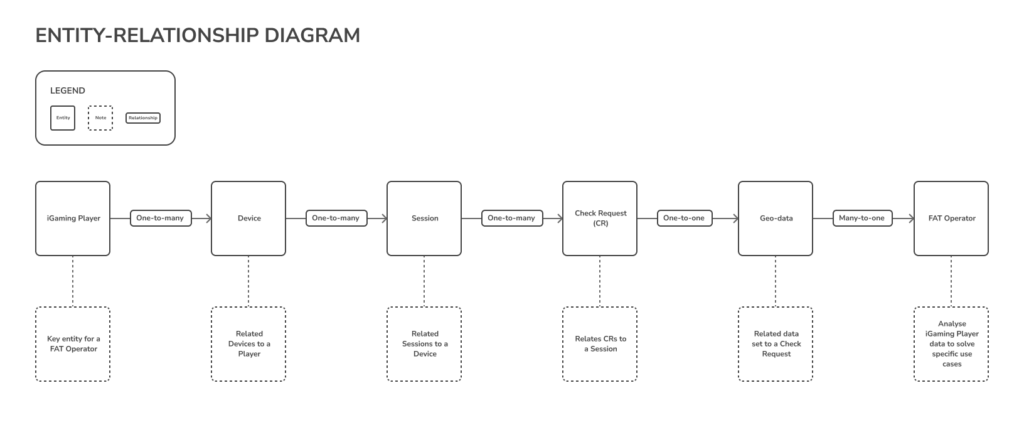
To provide a comprehensive overview of how different components within our system interact, I’ve dived into an Entity-Relationship Diagram (ERD). This diagram meticulously details the relationships and dependencies between data entities such as players, devices, gaming sessions, check requests, and geo-data. The ERD serves as a crucial tool for visualizing the structure of our database and facilitating a deeper understanding of data flow and integrity within the system.
Information Architecture Improvement
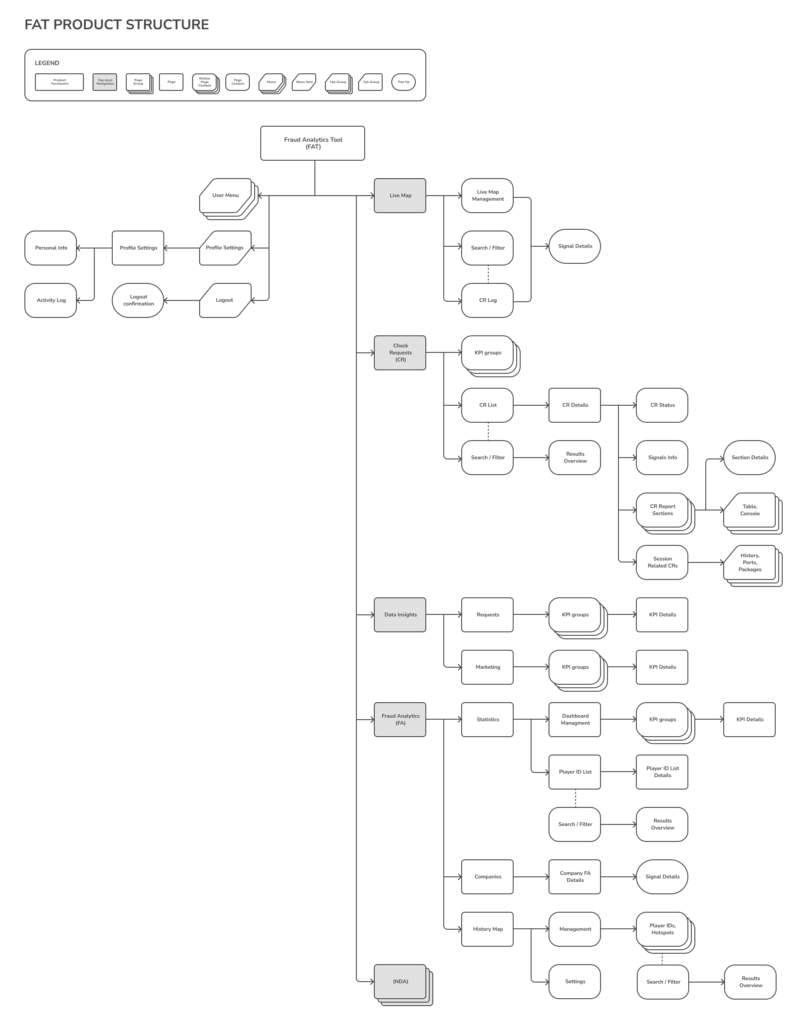
The redesign introduced a modular dashboard, allowing users to personalize their views according to their priorities, focusing on fraud alerts, player analytics, or operational metrics. This flexibility enhances the platform’s navigability and relevance to daily tasks.
User Scenarios and Flow Charts
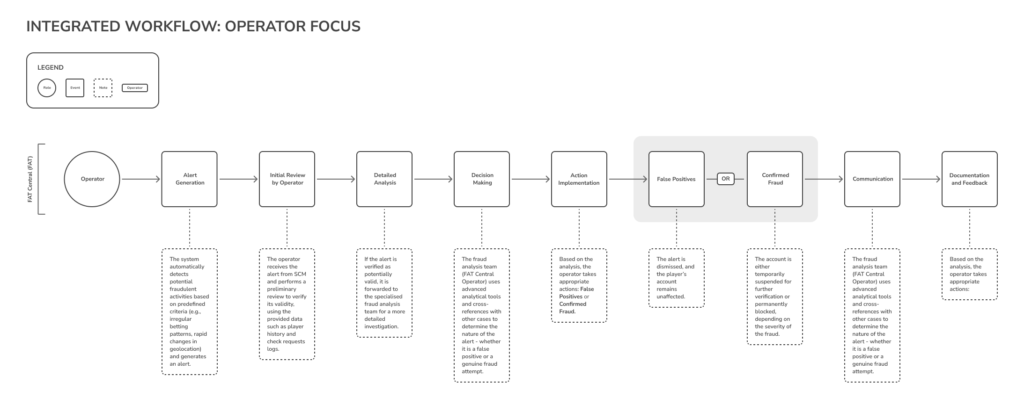
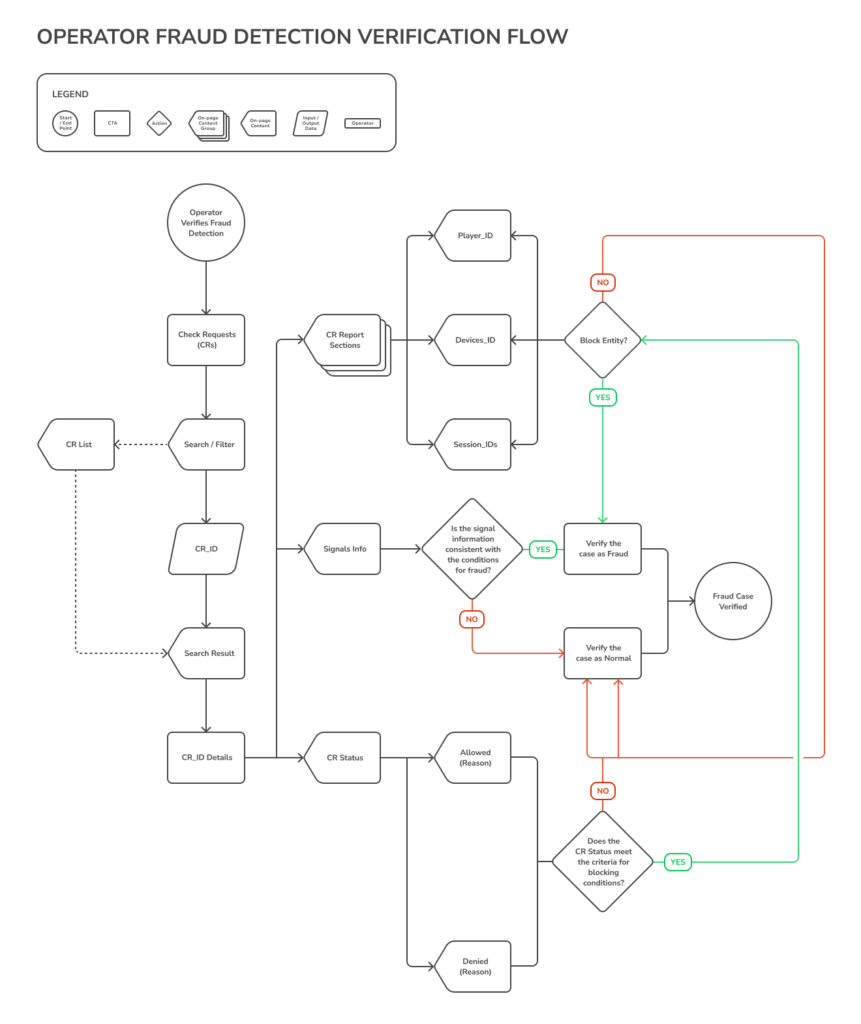
To optimize the Operator Fraud Detection Verification Flow, I developed specific user scenarios and flow charts that map out the operator’s detailed steps during the fraud detection and validation process.
Scenario: An operator at a gaming company receives an automated alert indicating potential fraudulent activity in a player’s account. The alert includes details such as unusual betting patterns and multiple IP logins within a short time. Here is an example:
Wireframes for the Fraud Analytics feature were developed to outline the basic structure and user flow, emphasizing ease of navigation and clarity of information. Prototypes brought these wireframes to life, enabling interactive simulations of the fraud detection process, alert configuration, and real-time data analysis.

Comprehensive design documentation was prepared, detailing the rationale behind design decisions, the functionality of new features, user interaction guidelines, and technical specifications for development. This document is a blueprint for current and future enhancements, ensuring consistency and facilitating ongoing improvements.
III. Design Outcomes
Check Requests Log Revamp
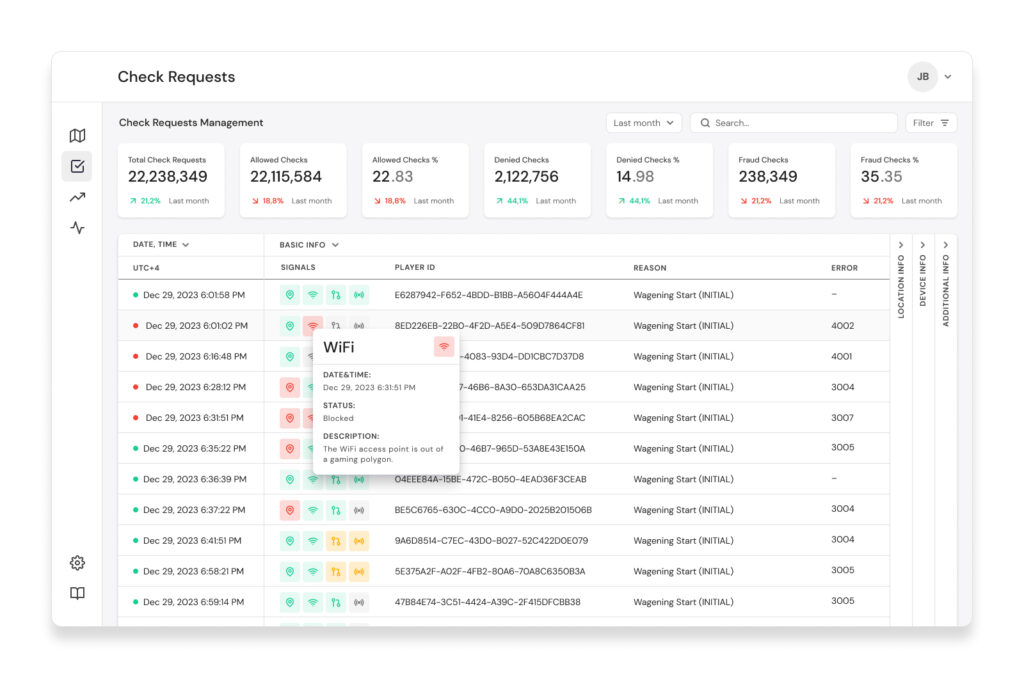
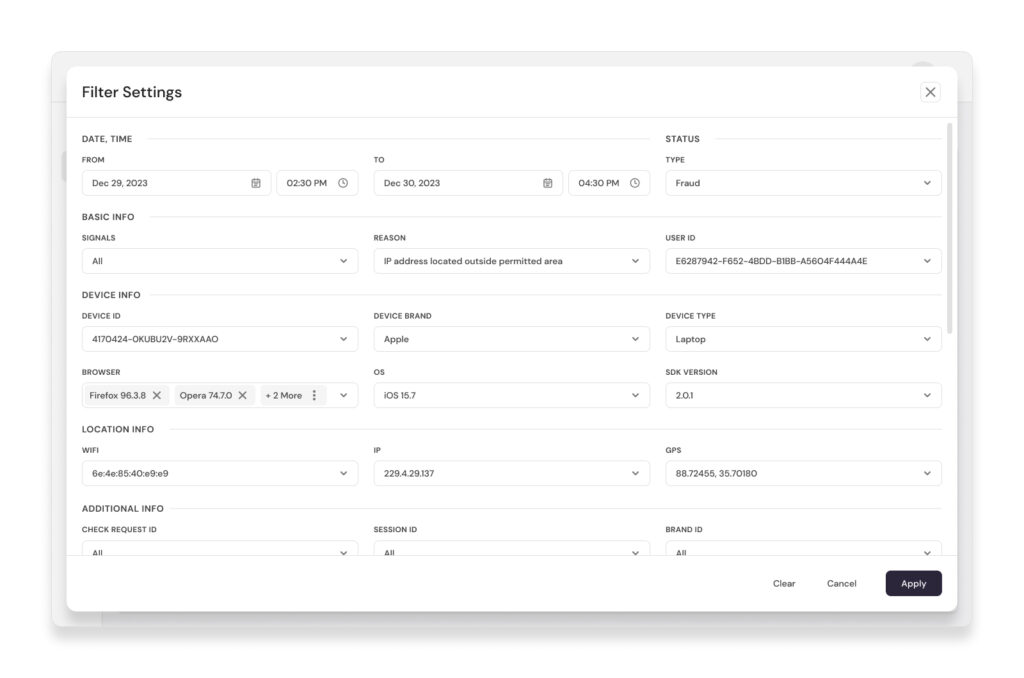
The improvement of the Check Requests Log was pivotal. I prioritized information architecture to enhance readability and reduce time on task by reorganizing table data. A dynamic filtering system was introduced, significantly simplifying the data presentation and improving the user’s ability to identify and act on specific requests quickly.
Live Map Enhancement
The Live Map module was transformed to offer real-time data visualization with enhanced loading times and data clusterization. I designed a more intuitive map interface by integrating user feedback, allowing operators to monitor player locations and compliance statuses effectively.
OmniSearch Optimization
I focused on enhancing the search efficiency and data accessibility in the OmniSearch module. By refining the search algorithm and interface, I made it easier for users to navigate through vast datasets, significantly reducing the search error rate and improving overall system navigation.
Enhancing Business Performance with Dashboard Analytics
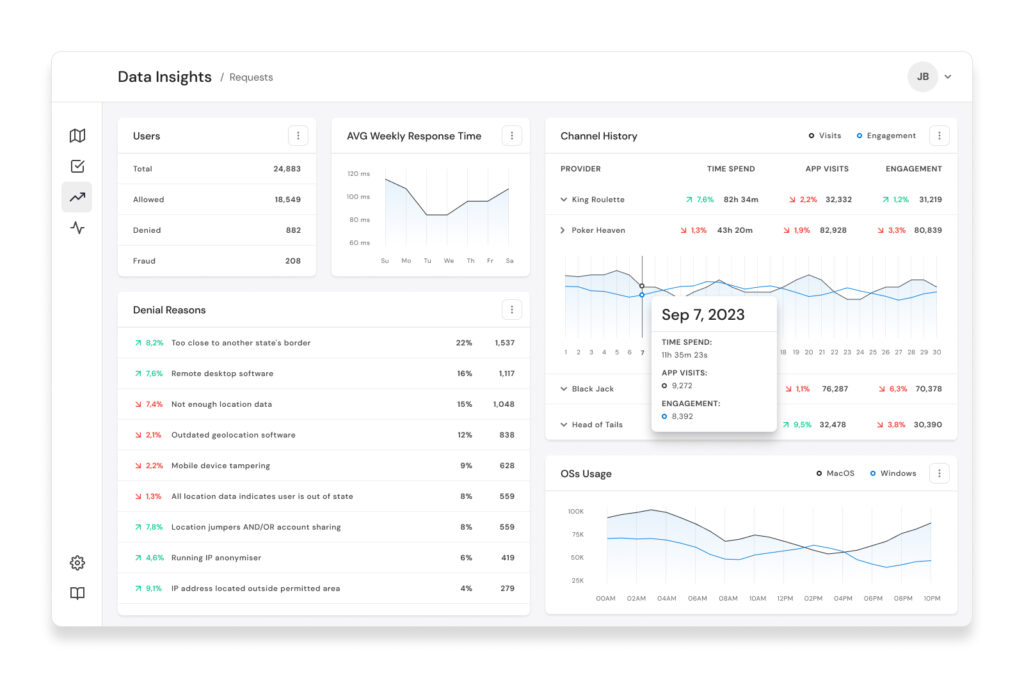
The Dashboard Analytics of the FAT Central system is designed to offer a real-time, comprehensive overview of key performance indicators and operational metrics. This dashboard is crucial for decision-makers, providing them with actionable insights through visual representations such as charts, graphs, and tables. It enables quick identification of trends, performance bottlenecks, and opportunities for optimization across various system functions. By aggregating and analyzing data from multiple sources, Dashboard Analytics ensures Operators haveing the necessary information to make informed decisions, monitor system health, and drive strategic business actions efficiently.
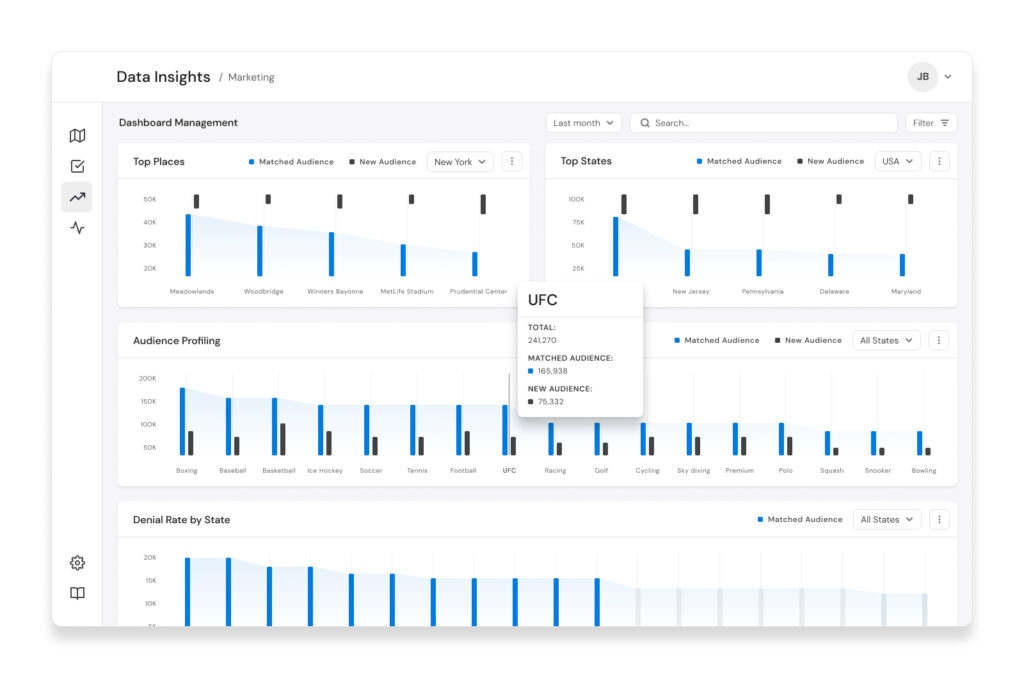
Introducing the Innovative Fraud Analytics for iGaming Operators
In response to the increasing complexity of fraudulent activities in the iGaming sector, I introduced a comprehensive Fraud Analytics feature designed to revolutionize how operators detect and manage fraud. This new module leverages advanced algorithms and data analytics to provide real-time insights into player behavior, identifying potential fraud with greater accuracy and speed.
- Objective: The goal was to equip operators with the tools to swiftly identify, investigate, and act upon fraudulent activities, reducing the risk of financial loss and maintaining the integrity of their platforms.
- Challenges Addressed: The Fraud Analytics feature tackles the evolving nature of fraud, including fraudsters’ use of sophisticated technologies. Operators can stay ahead of potential threats by offering detailed analytics and customizable alerts.
- User-Centric Design: Tailored to the specific needs highlighted by the user research, this feature offers a user-friendly interface that simplifies complex data, making it accessible for users of varying technical backgrounds.
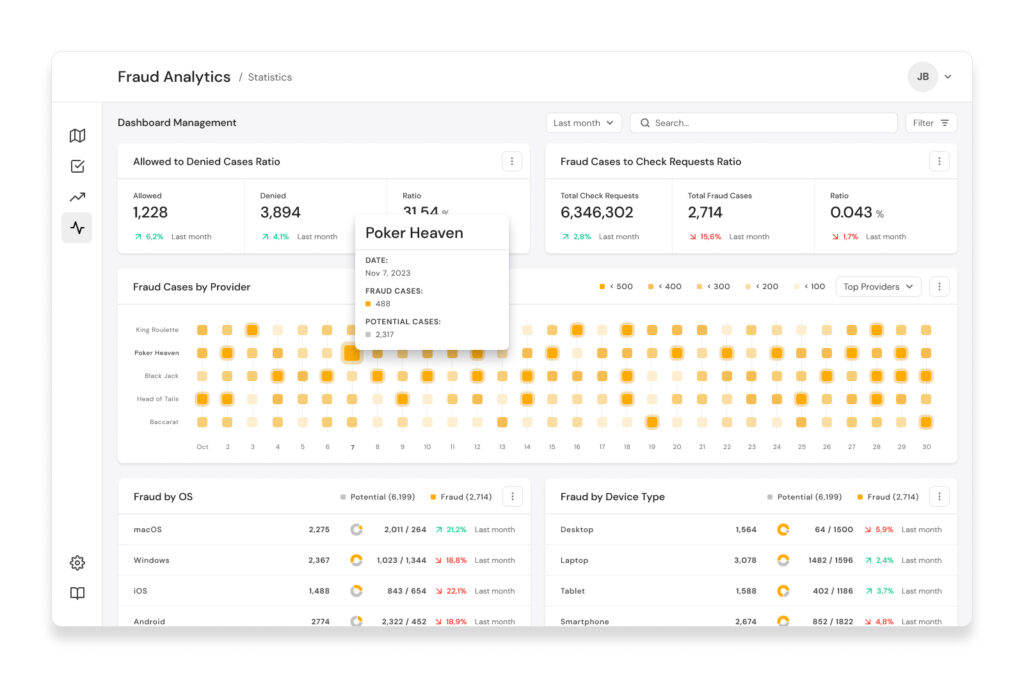
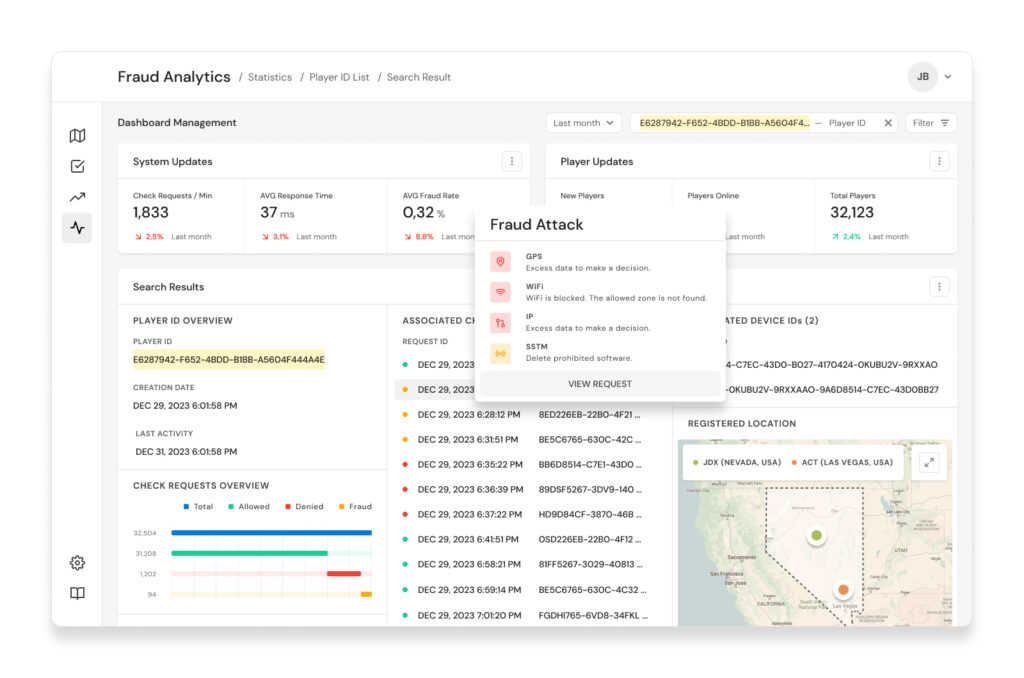
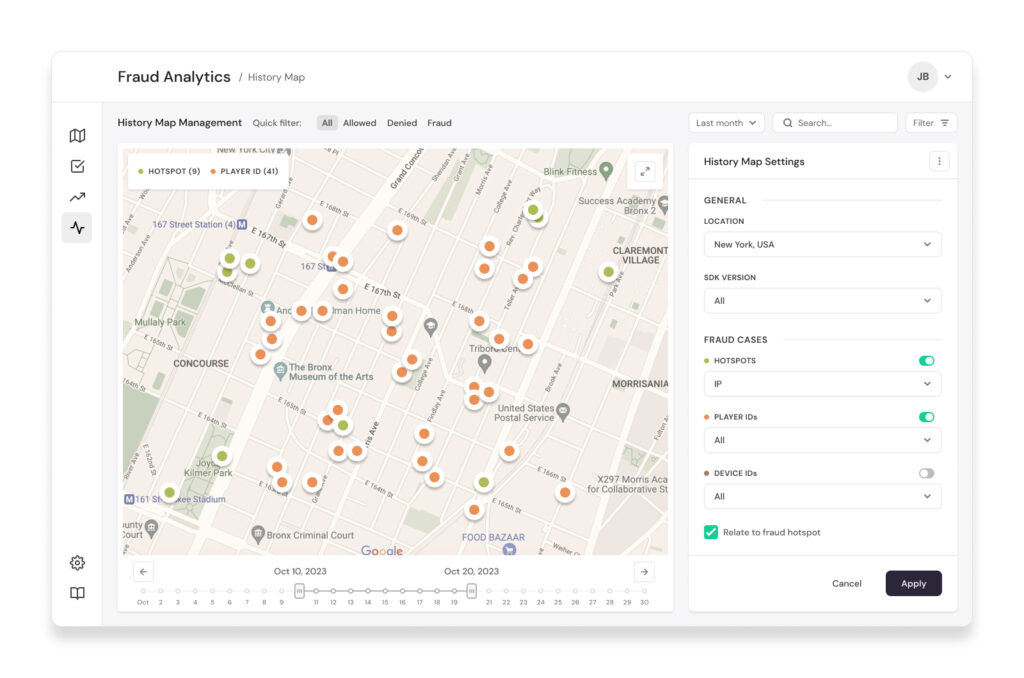
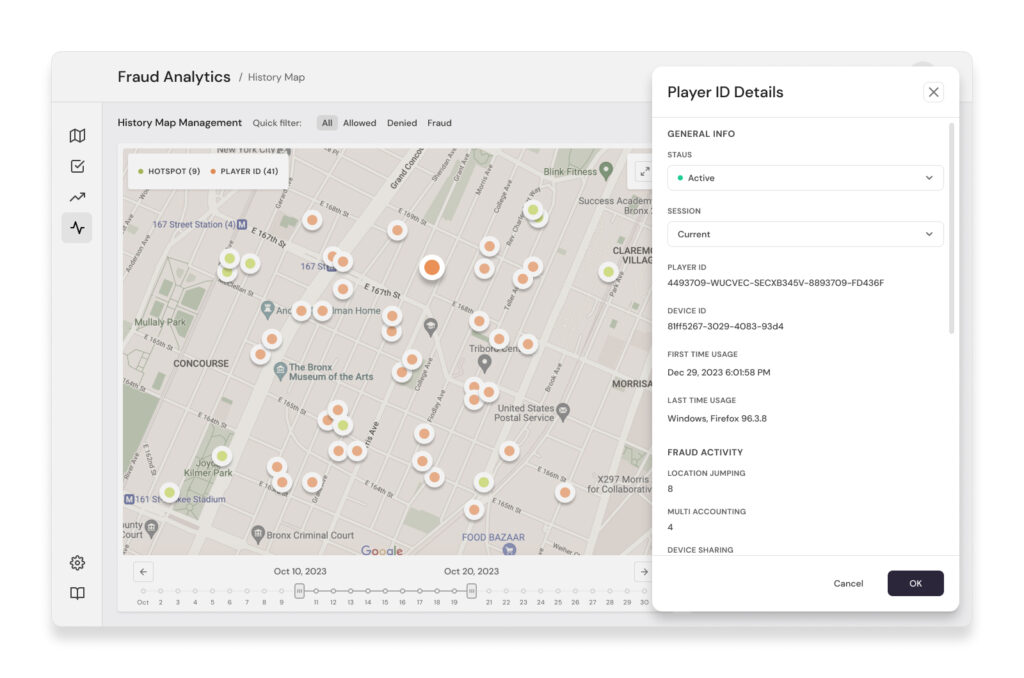
By adding the Innovating Fraud Analytics feature, FAT Central enhances its core offerings and sets a new standard in fraud prevention within the iGaming industry. This forward-thinking approach underscores my commitment to providing a secure, efficient, and user-friendly platform that addresses the industry’s most pressing challenges.
IV. Summation
The comprehensive redesign of FAT Central, underpinned by a user-centric approach, has culminated in a platform that not only meets but surpasses the expectations of professionals in the iGaming industry. Here, I distill my findings, measure the impact, and reflect on the lessons learned throughout this transformative journey.
Findings and Insights
My deep dive into user behavior, preferences, and challenges revealed a pressing need for a more intuitive, efficient, and flexible platform. Elliot Cooper’s persona emerged as a pivotal tool in aligning the design strategy with users’ real-world needs, guiding me toward a solution that addresses their daily challenges with innovative features and improved usability.
Project Impact
User Experience Improvements
-
Navigation Simplification: Thanks to a streamlined interface, users now navigate 28% faster across the platform.
-
Intuitive Design: Introducing dynamic dashboards has led to a 41% increase in user engagement.
Business Outcomes
-
Expanding FAT into Argentina and Brazil: FAT’s strategic expansion into Argentina and Brazil marks a pivotal step into South America’s burgeoning iGaming market.
-
Increased Adoption: Post-redesign, FAT Central has seen a 22% increase in new user registrations.
Behavioral Changes
- Proactive Fraud Management: Users exhibit more proactive behaviors in fraud detection, with a 26% increase in the use of custom alert settings.
Quantitative Data
- First-Click Accuracy: Improved from 68% to 92%.
- Search Error Rate: Decreased from 23% to below 10%.
Lessons Learned
-
Deep User Understanding is Key: Creating detailed personas, such as Elliot Cooper, proved crucial, but diving deeper into the iGaming domain nuances added another layer of precision to the design strategy. Understanding the regulatory complexities, security concerns, and the fast-paced nature of iGaming allowed me to tailor FAT Central to user needs and the specific operational contexts within which these users operate. This domain-specific approach enabled me to anticipate and design scenarios unique to iGaming compliance and fraud detection.
-
Iterative Design Pays Off: The iterative design process, informed by continuous testing, was significantly enhanced by incorporating simulations of real-world iGaming scenarios. By simulating high-stress environments, such as peak betting periods or sophisticated fraud attempts, design iterations became more targeted, ensuring that FAT Central remains robust and user-friendly even under the most challenging conditions. This approach highlighted the importance of stress testing in product design within the iGaming industry.
-
Embrace User Feedback: Actively seeking and incorporating user feedback is a cornerstone of any design process. In the iGaming domain, this took a specific turn toward understanding the operators’ interactions with regulatory bodies and fraudsters. By integrating feedback that highlighted these interactions, FAT Central evolved to offer more than just operational tools; it became a strategic asset for users navigating the regulatory landscape and combating fraud, thereby enhancing trust and reliability in the platform.
-
Quantitative Measures Drive Improvement: Setting clear, measurable targets for user experience improvements was essential. In the iGaming context, my team and I focused on metrics that directly impact business outcomes, such as the speed of fraud detection response times and the accuracy of regulatory compliance checks. We improved operational efficiency by reducing the time to detect and respond to fraud from an average of 7 minutes to under 4 minutes, and significantly mitigated financial risks associated with delayed fraud detection. These domain-specific quantitative goals ensured that these improvements directly contributed to the strategic objectives of iGaming operators.
These lessons underscore the critical importance of domain-oriented insights in the design and development process. By integrating a deep understanding of the iGaming industry’s unique challenges and opportunities, FAT Central’s redesign achieved its user experience goals. It solidified its position as an indispensable tool for navigating the complex iGaming compliance and fraud prevention landscape.
The journey to enhance FAT Central has elevated the platform’s usability and functionality and underscored my unwavering commitment to innovation, excellence, and user satisfaction. As I look forward, the insights and experiences garnered from this project will fuel my continued quest to pioneer solutions that meet the evolving needs of the iGaming industry.