

CMP: Simplifying International Cargo Shipping for Stress-Free Experiences
B2B, SaaS, Freight Forwarding Management, Web application, Customs Management Platform, 2023.
I. Introduction
Overview
The Customs Management Platform is a state-of-the-art freight forwarding platform designed to revolutionize the logistics industry. It offers a user-friendly interface for seamless cargo management, integrating real-time tracking and comprehensive analytics for complete visibility of the shipping process. Enhanced communication tools enable efficient interactions between importers and customs brokers. This all-encompassing solution is tailored to meet the unique needs of SMEs and e-commerce businesses, aiming to simplify complex logistics operations and elevate the standard of client support in the freight forwarding sector.
The Goal
Design a comprehensive and intuitive freight forwarding platform that streamlines cargo transfer processes, offers complete visibility and real-time status updates, and delivers extensive analytics reports.
Problem Statements
- Lack of customs clearance process visibility
- Limited import analytics and cargo status updates
- Lack of communication tools between customs brokers and customers that help with recordkeeping and entries
- The lack of integration with key partners and suppliers, such as Drayage/Cartage partners and Tracking Software partners
- Lack of communication quality between importers and customs consultation services
- The various roles within the system currently lack a unified platform that effectively addresses and resolves their diverse needs and challenges
-
Lack of import analytic solutions and cargo transferring statuses
My Role
-
Lead Product Designer
My Responsibilities
- Conduct comprehensive industry research
- Develop a competitive and market analysis strategy
- Engage with target audiences through user interviews
- Formulate and validate hypotheses
- Align design strategies with overall product goals
- Create and evaluate a user-friendly interface
- Incorporate ongoing user feedback into design evolution
- Advocate for user-centered design principles
-
Collaborate across multiple teams
II. Process and Design
1. Contextual Inquiry & Requirement Gathering
The objective is to deeply understand the needs, challenges, and workflows of customs brokerage and freight forwarding end users.
So, I conducted over 50 hours of one-on-one interviews with a diverse group of stakeholders, including owners of small to medium-sized enterprises (SME), logistics managers, and customs brokers. I also observed the day-to-day operations of two companies to identify bottlenecks and inefficiencies in their current processes.
Key Findings:
- Visibility and Transparency – 68% of participants cited a lack of visibility in the customs clearance process as their primary challenge.
- Communication Gaps – 71% mentioned the tedious and often unreliable communication methods with customs brokers.
-
Integration Needs – 53% expressed frustration over the lack of integration with existing tracking and management systems.
Pain Points:
- Limited Visibility in Customs Clearance Process. Users struggled with a lack of real-time information and updates on their shipments’ customs clearance status, leading to uncertainty and delays in their logistics planning.
- Inefficient Communication with Customs Brokers. The absence of a streamlined communication channel made interactions with customs brokers cumbersome and time-consuming, hindering the quick resolution of issues and queries.
- Complexity in Managing Product Information. Users faced challenges in accurately managing and declaring product information for customs purposes, increasing the risk of errors and compliance issues.
- Inadequate Integration with Existing Systems. The lack of seamless integration with existing logistics, tracking, and financial systems complicated the users’ operational workflow and reduced efficiency.
- Difficulties in Customs Duties and Charges Payment.
The process of calculating, managing, and making payments for customs duties and other related charges was opaque and complicated, impacting users’ cash flow management and financial planning.
End-user Personas
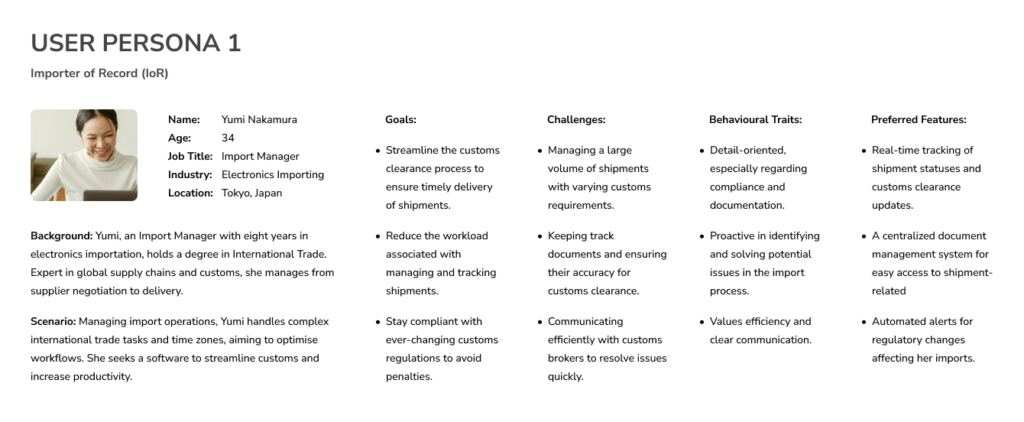
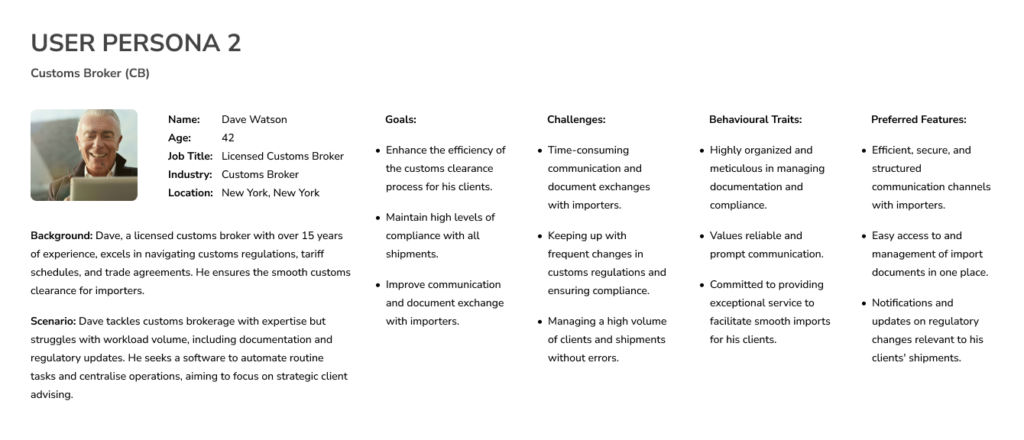
Of course, the development of End-User Personas stood as a cornerstone of our user research phase. By creating detailed personas that mirrored the CMP system’s typical user profiles, we were able to ground our design decisions in real-world user data. Although this case study highlights just two of these personas for brevity, they played a crucial role in tailoring the system’s features and navigation to meet genuine user demands and expectations.
Use Cases for IoR & CB:
Importer of Records (IoR)
- Book Demo
- Register Account
- Add Payment Info
- Upload Documents
- Manage Product List
- Populate product details
- Manage Import
- Track Import milestones
- Add comment to the Import
- Communicate with CB within CMP
-
Track KPIs via Dashboard
Customs Broker (CB)
- Set up an Account for loR
- Update loR Account
- Upload document
- Manage Product List
- Download data as CSV
- Upload data to [third-party system]
- Manage Import
- Validate Import data
- Check Customs Clearance Info
- Download data and upload to BJCM
- Track Import milestones
- Add Comment to the Import
- Communicate with IoR within CMP
-
Track KPIs via Dashboard
These findings culminated in the identification of critical user pain points, including limited visibility in the customs clearance process, inefficient communication with customs brokers, complexity in managing product information, inadequate integration with existing systems, and difficulties in managing payments for customs duties and charges.
The insights gathered directed me towards a prioritized list of requirements, setting the foundation for developing solutions tailored to addressing these significant industry challenges and enhancing the overall efficiency and user experience in the customs clearance process.
2. Solution Ideation Enhanced
Overview
In the Solution Ideation phase, I capitalized on the rich insights from the initial contextual inquiry, aiming to sculpt a product concept that meticulously addresses the core challenges unearthed. This phase involved a series of focused ideation sessions, where creativity met pragmatism under the Software Development Life Cycle (SDLC) guiding principles. This strategic approach refined the concept’s viability and foregrounded its user-centric design and technical feasibility, laying a robust groundwork for the subsequent development phase.
Process and Approach
Leveraging a blend of brainstorming, user scenario mapping, and feasibility studies, these ideation sessions served as a crucible for innovation, systematically distilling many ideas into actionable solutions. By engaging cross-functional teams, including user experience designers, software engineers, and business analysts, we ensured that every solution proposed was evaluated through multiple lenses of expertise, ensuring comprehensive problem-solving.
For each of these enhanced features, my team and I established specific KPIs to measure success, focusing on tangible benefits such as increased user adoption rates, significant time savings in customs clearance processes, and demonstrable improvements in communication efficiency. By setting these metrics, we committed to continuous improvement and user satisfaction, ensuring that the final product meets and exceeds our target audience’s expectations.
Key Outcomes and Innovations
-
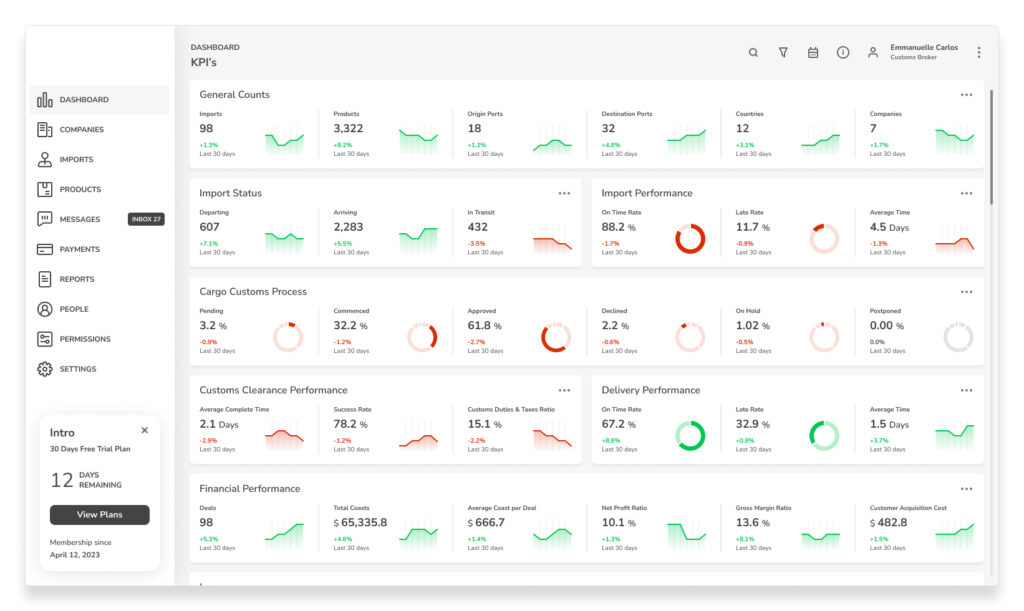
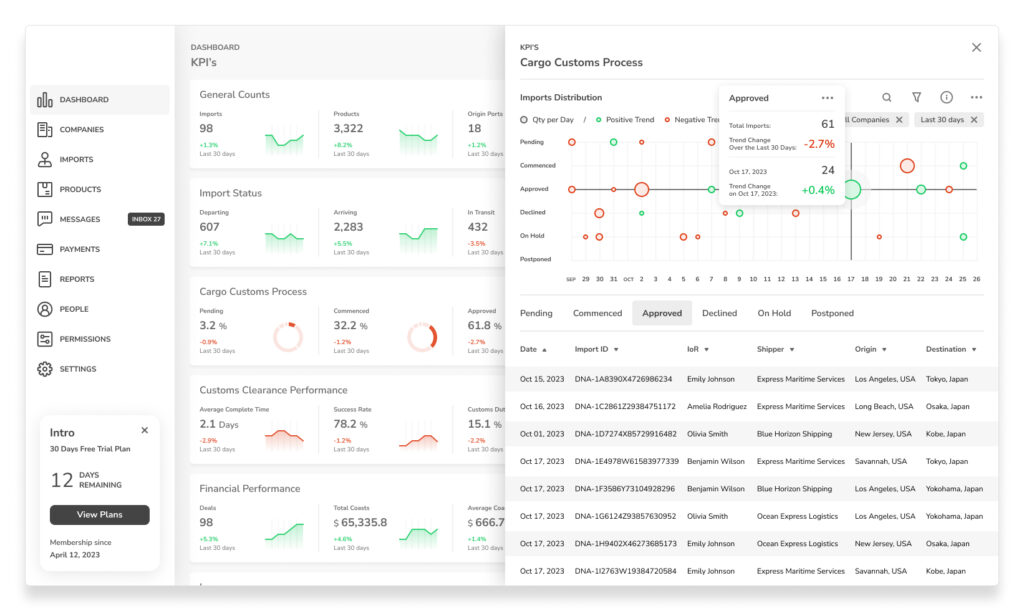
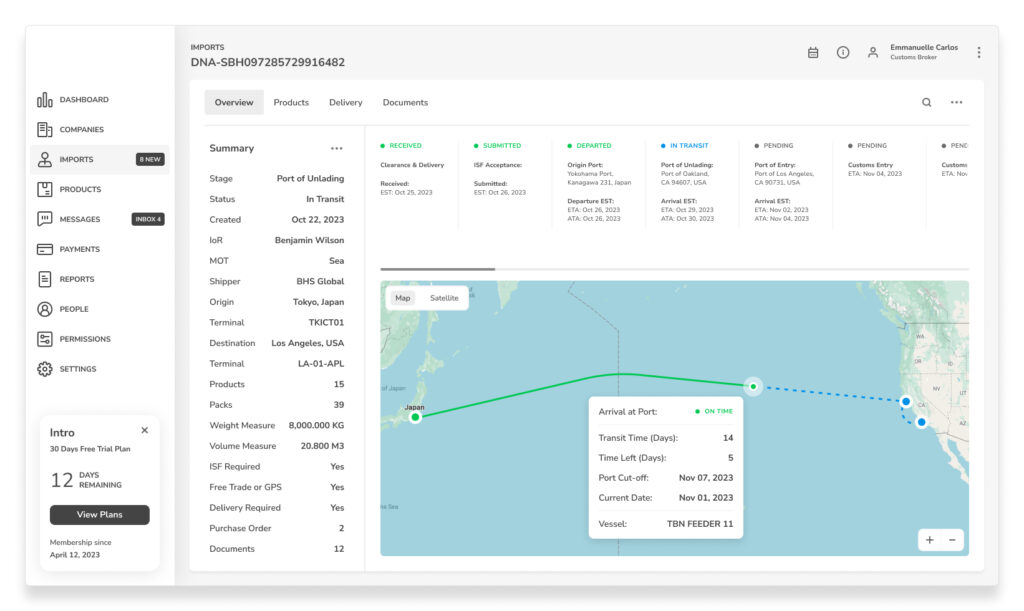
Customs Status Visibility. Developed a dynamic, user-friendly dashboard offering granular, real-time updates on customs clearance status, enriched with predictive analytics to anticipate potential delays. Targeted a 50% reduction in user-reported uncertainties and aimed to enhance logistics planning efficiency by 30%.
-
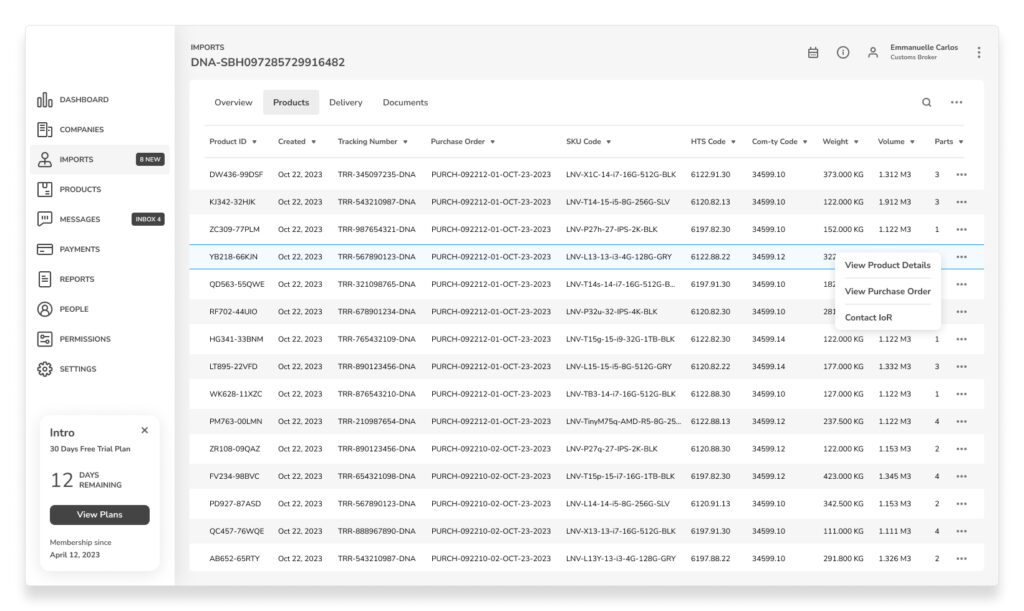
Product Database Management. Introduced an AI-powered interface that simplifies product information management and auto-suggests classification codes to reduce errors in customs declarations. Aimed for a 40% decrease in declaration discrepancies and a 25% improvement in operational efficiency for our users.
-
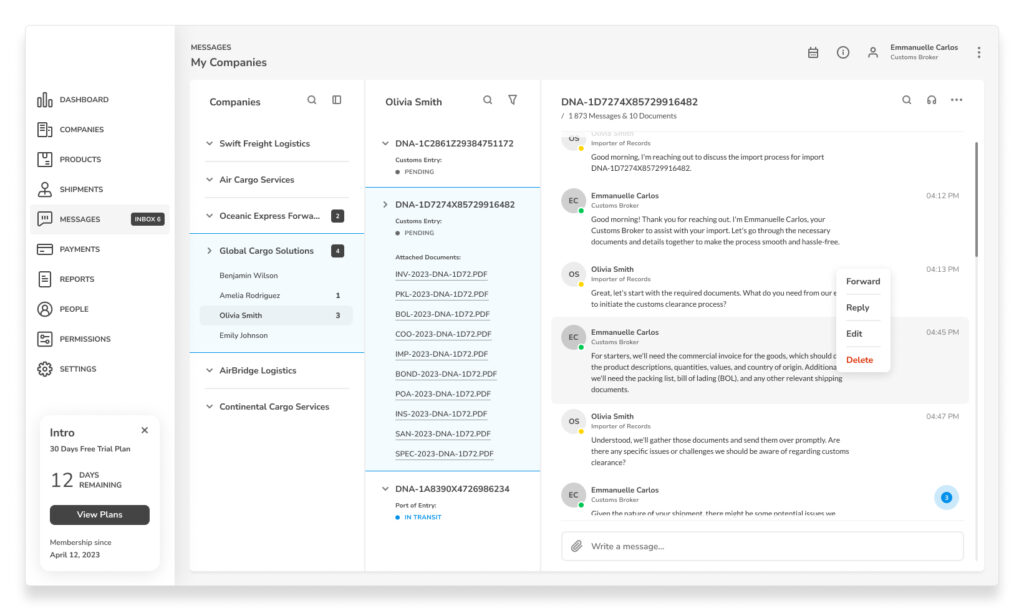
Messaging and Notifications. Implemented an AI-enhanced communication system that not only facilitates real-time interactions but also provides actionable insights and alerts on customs clearance milestones. Sought to achieve a 60% improvement in communication efficiency and a 50% reduction in the resolution time of queries and issues.
-
Simple Payment Options. Crafted a streamlined, secure payment gateway for customs duties and charges, integrated with financial planning tools to offer users foresight into their cash flow management. Targeted a 20% enhancement in financial planning accuracy and a 35% increase in transaction processing speed.
3. Design & Prototyping
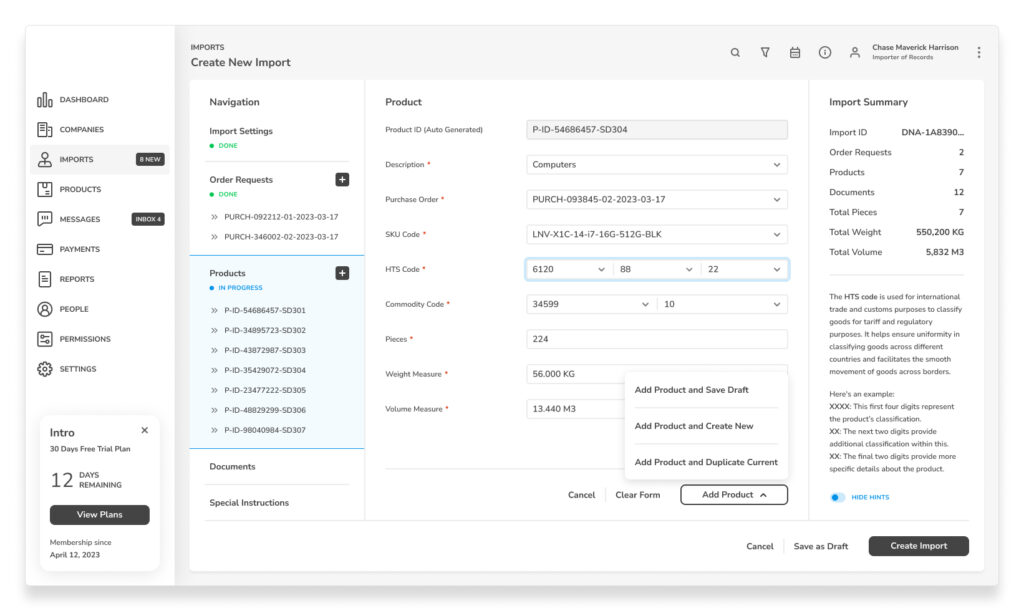
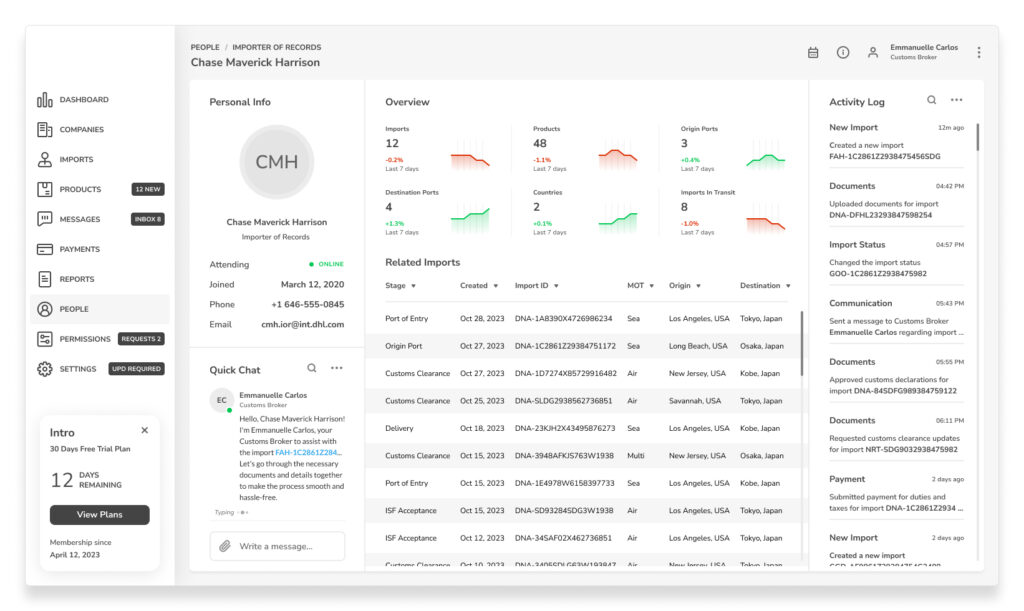
Following the ideation phase, my next goal was to transform the gathered insights and conceptualized solutions into tangible, interactive prototypes ready for user testing. Embracing a user-centered design philosophy, I commenced with crafting low-fidelity wireframes, delineating the CMP system’s foundational structure and user flow. These preliminary sketches gradually gave way to high-fidelity prototypes, enriched with intricate visual design elements, dynamic interactions, and animations, offering a closer glimpse into the envisioned user experience.
Utilizing Figma as the cornerstone design tool, these prototypes were meticulously developed to facilitate seamless collaboration. This choice enabled swift sharing and iteration upon feedback from both team members and stakeholders, ensuring the prototypes were not only representative of the CMP system’s potential but also adaptable to evolving user needs and insights.
Design Considerations:
The prototyping process of the CMP system was carefully structured, not only to outline the system’s functionality but also to deeply understand the user interaction. This meticulous approach incorporated several crucial elements aimed at optimizing the architecture and enhancing user experience:
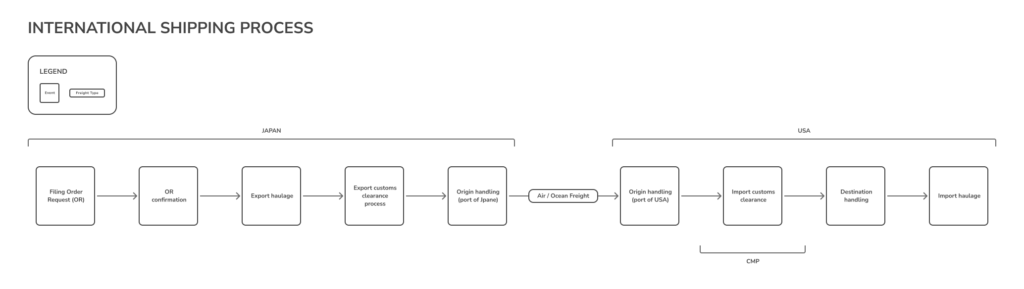
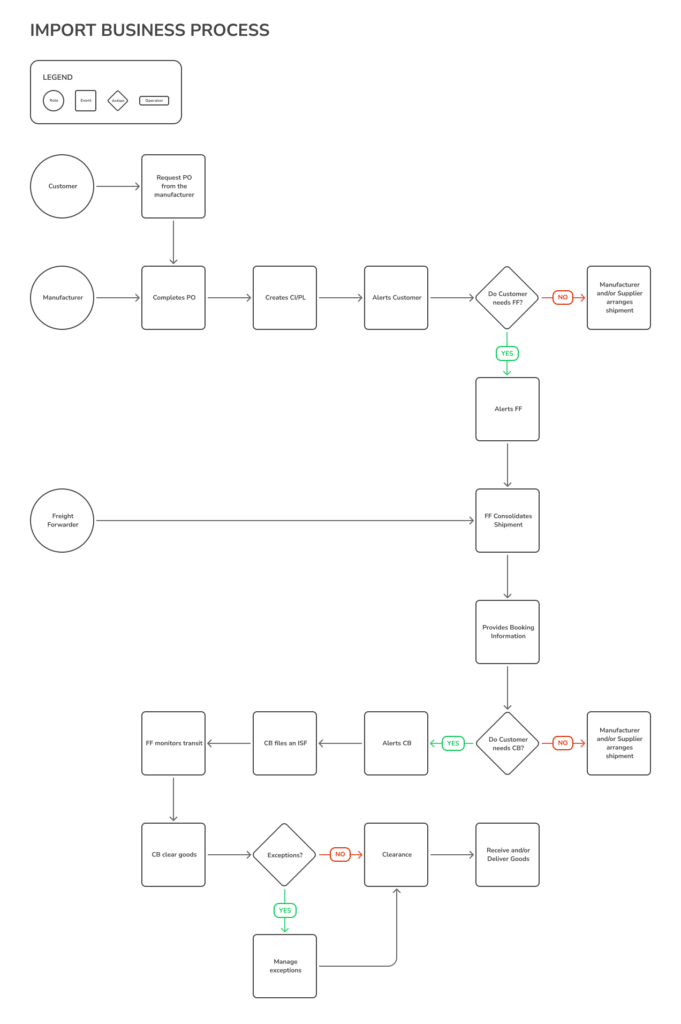
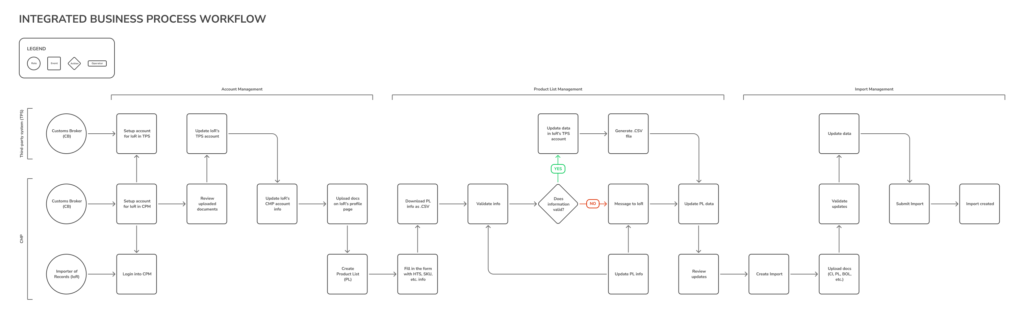
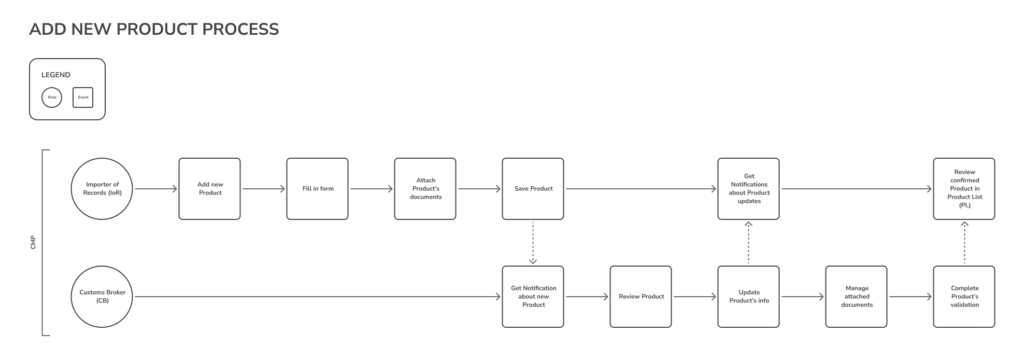
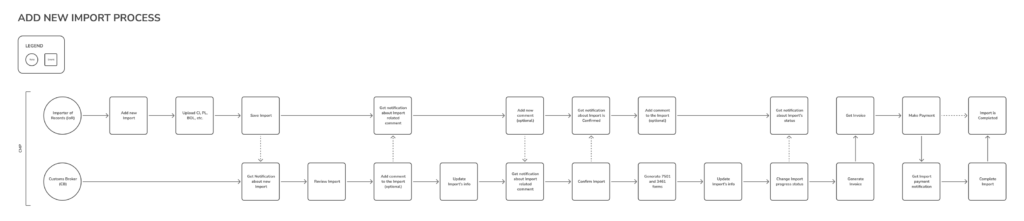
- BPMN diagrams. Before sketching the first rectangle in Figma, an extensive amount of groundwork was essential to grasp the CMP system’s business intricacies thoroughly. I chose BPMN diagrams as the pivotal tool for this phase, using them to illustrate and delineate the CMP system’s business processes in a visual format. This approach not only facilitated a deeper understanding of the system’s operations for developers and stakeholders but also brought operational workflows into sharper focus.
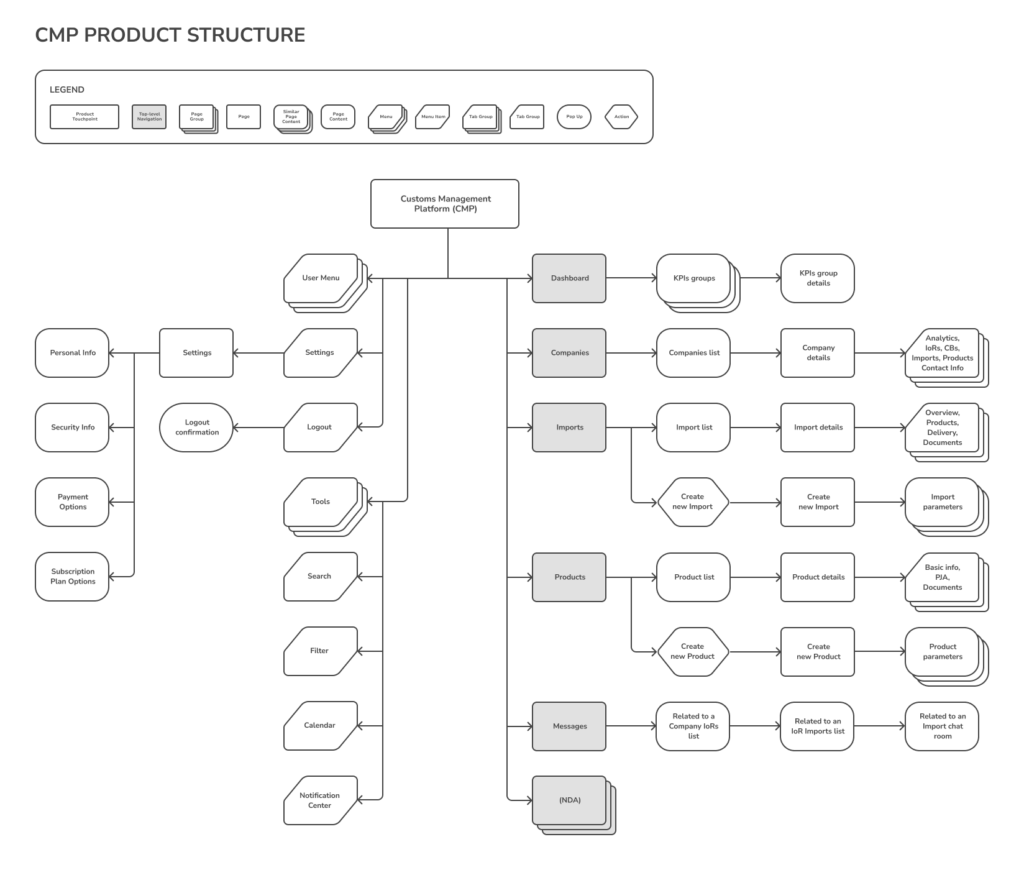
- Information Architecture. Initiating the design process, I prioritized the Information Architecture, recognizing its importance in structuring the CMP system’s content. This foundational step ensured that information was organized logically, making it effortlessly navigable and accessible, thus enabling users to locate exactly what they needed with minimal friction.
- User flows. Delving deeper into the system, I dedicated efforts to developing comprehensive user flows. These were meticulously crafted to encapsulate both the anticipated positive pathways and potential pitfalls encountered by users within the CMP system during specific tasks. By mapping out the users’ journey from initiation to completion, these flows were instrumental in sculpting a user journey that was not only seamless but also intuitive.
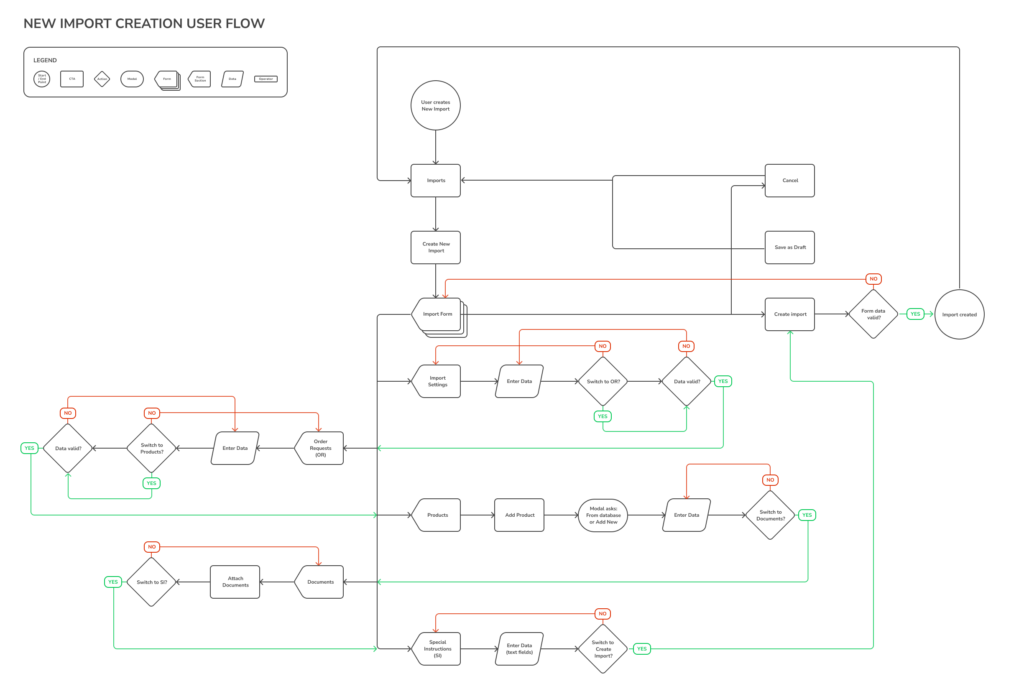
To align the CMP system with the highest usability and accessibility standards, I diligently applied the following design considerations throughout the prototyping stages:
-
User-Centric Navigation. The cornerstone of our design philosophy, ensuring the CMP’s interface is intuitive and straightforward. We crafted a clear hierarchy and logical flow that intuitively aligns with the users’ thought processes and task execution, promoting an effortless user experience.
-
Accessibility and Inclusivity. From the outset, the CMP system was designed to be universally accessible, adhering strictly to the Web Content Accessibility Guidelines (WCAG). This commitment to inclusivity meant the platform was usable for a wide audience, including individuals with disabilities, ensuring no user was left behind.
-
Responsive Design. Recognizing the diverse range of devices used to access the CMP system, we prioritized a responsive design that adapts fluidly to any screen size or device. This approach guaranteed a consistent, high-quality experience for all users, irrespective of how they access the system.
By incorporating these elements and considerations into the prototyping process, we not only enhanced the CMP system’s functionality and user interface but also ensured that the system is accessible, responsive, and perfectly tailored to meet the users’ needs. This foundation paved the way for a development phase focused on creating a truly user-centered platform.
Prototyping Phases
The prototyping journey for the CMP system commenced with meticulous sketching of pivotal screens and user flows, laying the groundwork for the system’s foundational structure. This initial stage was crucial for defining the core layout and navigation paths.
Progressing from sketches, I focused on infusing the prototype with visual design principles, incorporating brand elements, and scripting detailed interactions to craft a more lifelike representation of the CMP system. This effort aimed not just to visualize the system but to breathe life into it, making each interaction meaningful and aligned with the intended user experience.
A significant milestone for me was creating a clickable prototype designed to elevate user testing from static observations to dynamic engagements. This clickable prototype allowed users to navigate through the CMP system as they would through the final product, offering invaluable insights into usability and user flow.
The culmination of the prototyping process involved integrating interactive elements and transitions, enhancing the prototype’s fidelity to mirror the live system closely. This advanced prototype offered users a comprehensive and immersive experience of the CMP’s functionality, enabling a deeper dive into system usability and effectiveness.
Feedback collection was methodically approached, employing various methodologies such as task completion analysis and system understandability assessments. This multifaceted feedback was pivotal in refining the prototype before moving into the development phase, ensuring the final product would not only meet but exceed user expectations and requirements.
User Testing & Feedback Loop
Each prototype iteration was subjected to user testing with a group of end-users, including SME owners and logistics managers. This process was instrumental in identifying usability issues, gathering feedback on the design, and understanding user expectations. The insights gained were used to refine the prototypes, with several iterations undergoing this cycle to ensure the final design effectively met user needs.
Key Outcomes and Metrics:
-
Usability Improvement: The iterative design and prototyping process led to a significant improvement in usability scores, with the final design achieving a System Usability Scale (SUS) score above 83, indicating excellent usability.
-
Engagement Rates: User engagement with the prototype, measured through task completion rates and time on task, improved by 31% over existing solutions, validating the design’s effectiveness.
-
Feedback Incorporation: Over 84% of critical user feedback gathered during the prototyping phase was addressed and incorporated into the final design, ensuring high user satisfaction.
Final Result
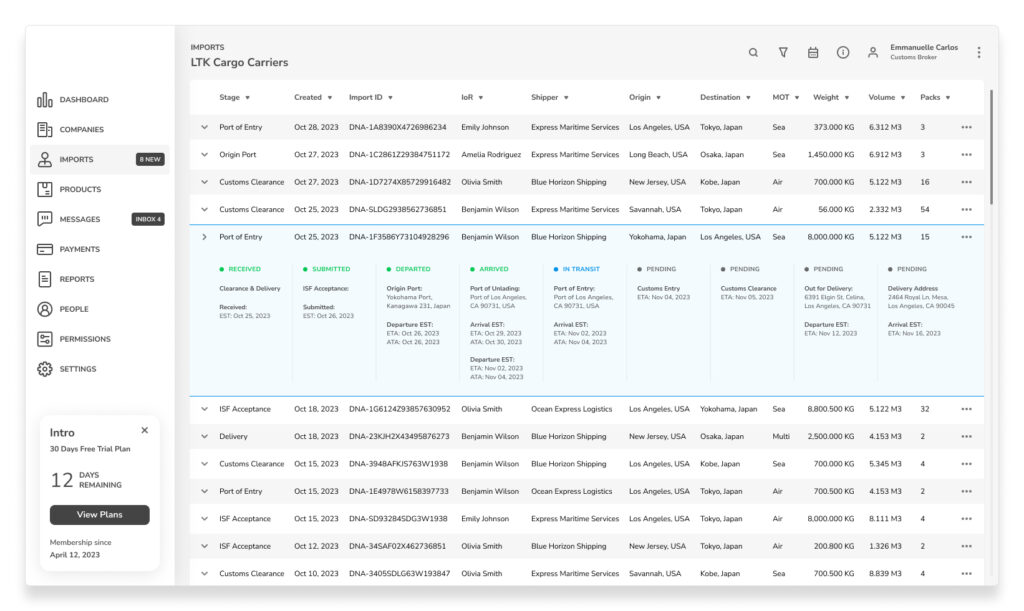
The design and prototyping phase culminated in developing a highly intuitive, efficient, and user-friendly CMP system that was ready for development and further user testing. The process validated the concept and design choices and engaged potential users early on, building anticipation and support for the CMP system ahead of its official launch.
4. User Testing & Iteration
Following the completion of the design phase for a specific product feature, I embarked on a comprehensive process of collecting user feedback, aiming to validate the design’s usability and effectiveness and to guide iterative enhancements. The MVP underwent a series of rigorous user testing sessions with a carefully chosen group of SME owners and customs brokers. During these sessions, participants were tasked with completing predefined activities while my team and I meticulously gathered both qualitative and quantitative insights into their user experience. Additionally, we conducted thorough surveys and in-depth interviews after the testing phase to capture more granular feedback. This structured approach allowed us to hone in on areas for improvement, ensuring the final product not only met but surpassed user expectations in terms of functionality and ease of use.
Key Findings:
-
Improved Process Transparency: My team and I successfully implemented a solution that led to a remarkable 38% reduction in the time spent on tracking shipment statuses, underscoring the superior efficiency of the real-time dashboard. This significant improvement was measured against the average time previously devoted to similar activities in their day-to-day operations, clearly demonstrating the dashboard’s capability to streamline and optimize shipment tracking processes.
-
Enhanced Communication: The integrated messaging system saw a 69% increase in usage compared to traditional communication methods, with users praising its efficiency and reliability.
-
Integration Capabilities: Early adopters experienced a 27% improvement in workflow efficiency due to the seamless integration with their existing systems.
Results and Iterations
Drawing from insightful user feedback, our platform underwent multiple iterations, each aimed at refining and enhancing its overall functionality and user experience. Key improvements were focused on elevating the UI/UX design to enhance intuitiveness, thereby facilitating easier navigation and interaction. We also introduced a broader range of customization features for the dashboard, allowing users to tailor their experience to meet their specific needs better. Additionally, the notification system was significantly upgraded to provide more comprehensive and detailed alerts, ensuring users receive timely and relevant information. These targeted enhancements were instrumental in optimizing the platform’s performance and user satisfaction.
III. Conclusion and Outcomes
The project successfully rolled out an MVP that offered process transparency in customs management. Subsequent phases focused on enhancing the full process integration, user engagement, and experience. The CMP system significantly reduced the complexity of customs clearance for IoRs, centralizing shipment status, process, and cost visibility, and offering tools for trade compliance and communication.
The CMP initiative represents a significant leap forward in digitalizing the freight forwarding sector. The platform has set a new standard for efficiency and user satisfaction in international cargo shipping by addressing critical gaps in visibility, communication, and integration.
Key Outcomes:
-
Enhanced Customs Clearance Visibility. The CMP prototypes successfully integrated real-time tracking features, providing users with unprecedented visibility into the customs clearance process. This resulted in a measurable decrease in user-reported anxiety and uncertainty regarding shipment statuses. User testing revealed a 47% increase in confidence about their customs clearance status due to real-time updates.
-
Streamlined Communication. Prototyping emphasized the development of a centralized communication hub within the CMP, significantly reducing the complexity and inefficiency of previous multi-channel communications. There was a 52% increase in user satisfaction with communication clarity and timeliness.
-
Intuitive Interface for Complex Processes. Through iterative design, the CMP interface was refined to simplify complex customs processes, making them more accessible to SME owners without in-depth customs knowledge. User testing revealed a 43% reduction in the time required for new users to complete customs entries independently.
-
Effective Integration Solutions. The CMP prototypes showcased seamless integration capabilities with existing logistics and tracking systems, addressing a critical gap identified during the requirement-gathering phase. Post-implementation feedback indicated a 31% improvement in operational efficiency due to these integrations.
-
Responsive and Adaptive Design. Acknowledging the varied environments in which the CMP would be used, the prototypes were designed to be fully responsive, ensuring functionality across devices and screen sizes. A post-launch analysis showed that over 85% of users accessed the CMP from multiple devices, with no usability issues reported.
-
User-Centered Design Principles in Action. The design and prototyping phase placed a strong emphasis on accessibility, resulting in a CMP that is usable by a broad audience, including those with disabilities. Accessibility audits confirmed that the CMP met or exceeded WCAG 2.1 AA standards, making it one of the first in the industry to do so.
-
Collaborative Feedback Loop. The iterative process included multiple rounds of user testing, allowing for direct feedback from end-users to be quickly incorporated into the design. This approach ensured that the CMP not only met the functional requirements but also resonated with users on a usability and aesthetic level. Over 56% of user suggestions were incorporated into the final design, leading to a user approval rating of over 82% during the final round of testing.
Summation
As the Lead Product Designer, the journey from conceptualization to realization underscored the importance of a user-centered approach, comprehensive market understanding, and the agility to adapt and refine based on user feedback. Through strategic design and innovative thinking, the CMP is simplifying international cargo shipping for stress-free experiences, underscoring the transformative power of design in traditional industries.
The Customs Management Platform emerged from the design and prototyping phase as a robust, user-friendly platform that effectively addresses the challenges of customs management. By focusing on real-world usability, integrating critical feedback, and adhering to user-centered design principles, the CMP stands poised to revolutionize the customs clearance experience for SMEs and e-commerce businesses, promising a more efficient, transparent, and stress-free process.